True curation requires a discerning eye capable of recognizing raw originality and translating it into an elevated, immersive experience. The projects featured here represent a curated selection from over 100 exhibitions I have brought to life throughout my career. Driven by a fluid artistic range and an uncompromising standard of taste, my practice seamlessly navigates a vast spectrum of creative disciplines, subcultures, and mediums. Whether presenting technically sound fine art, boundary-pushing contemporary photography, or graphic narrative styles, each exhibition is bound by a singular vision: to honor the authentic voice of the creator while engineering a sophisticated space for public engagement. By balancing technical mastery with conceptual weight, this body of work reflects a lifelong instinct for visual storytelling and a proven capability to anticipate, shape, and elevate contemporary visual culture.
DIALECT | GROUP EXHIBITION
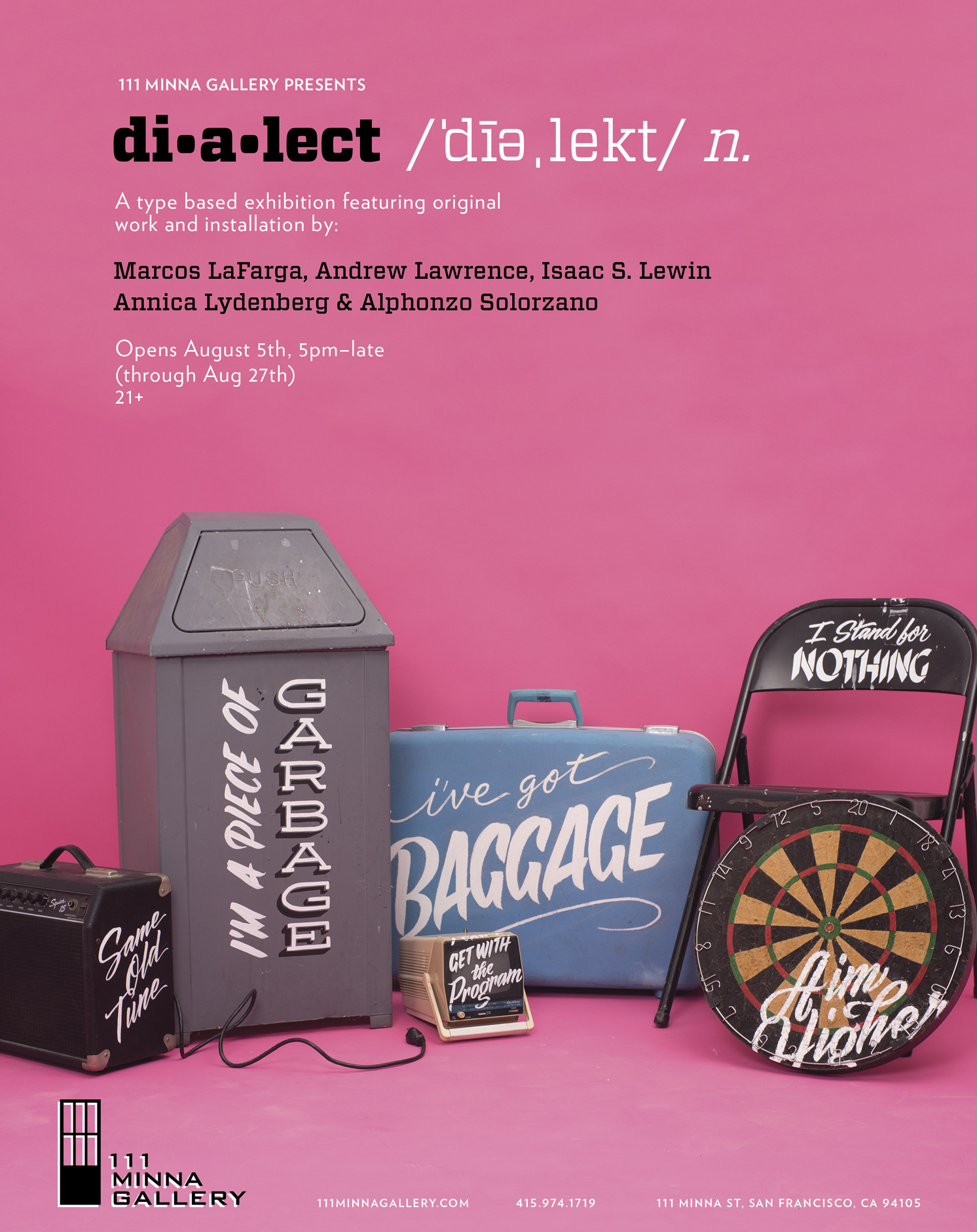
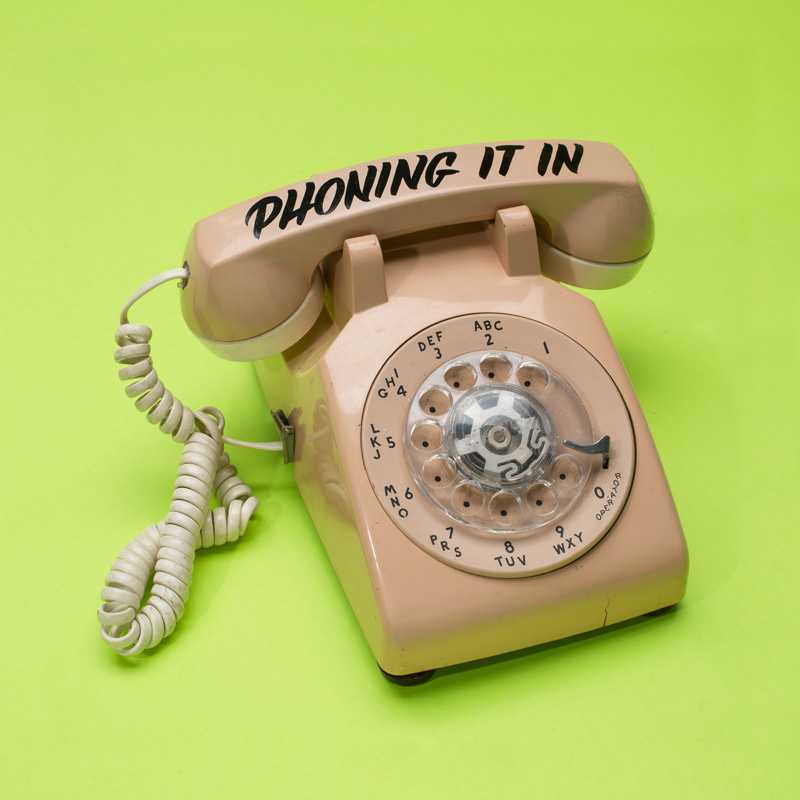
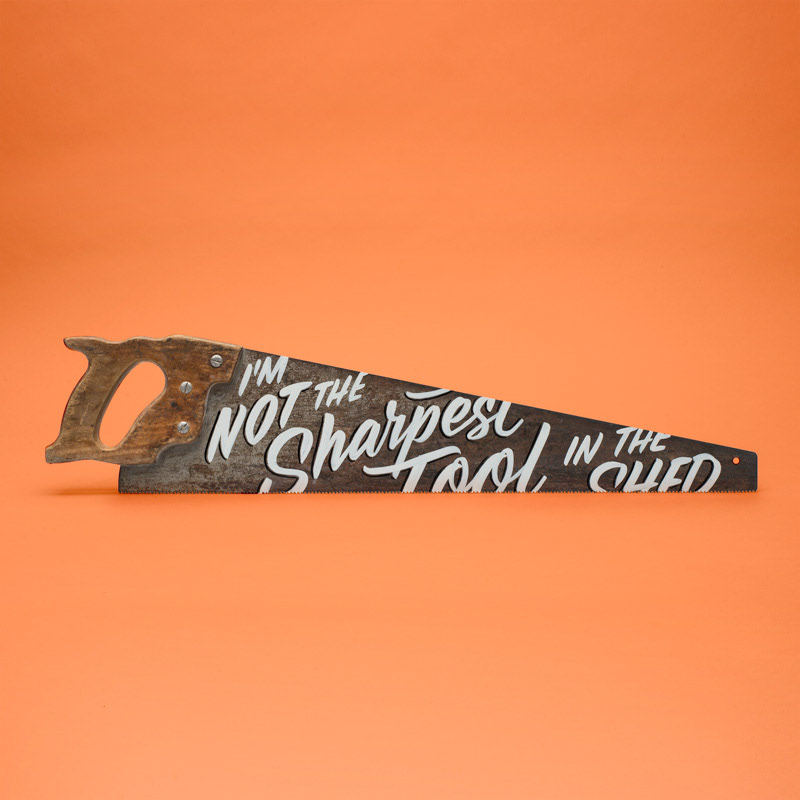
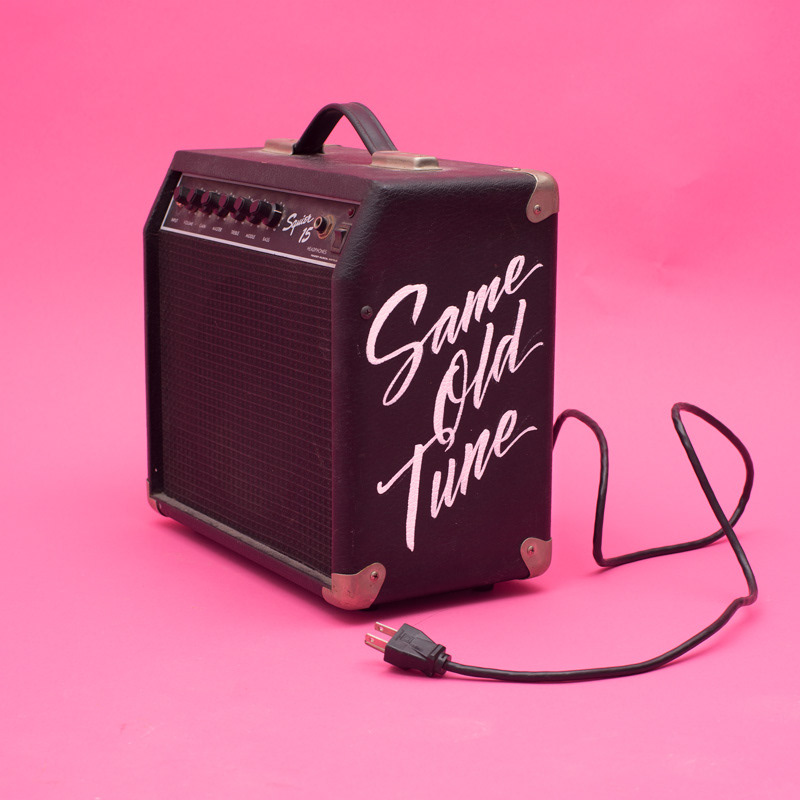
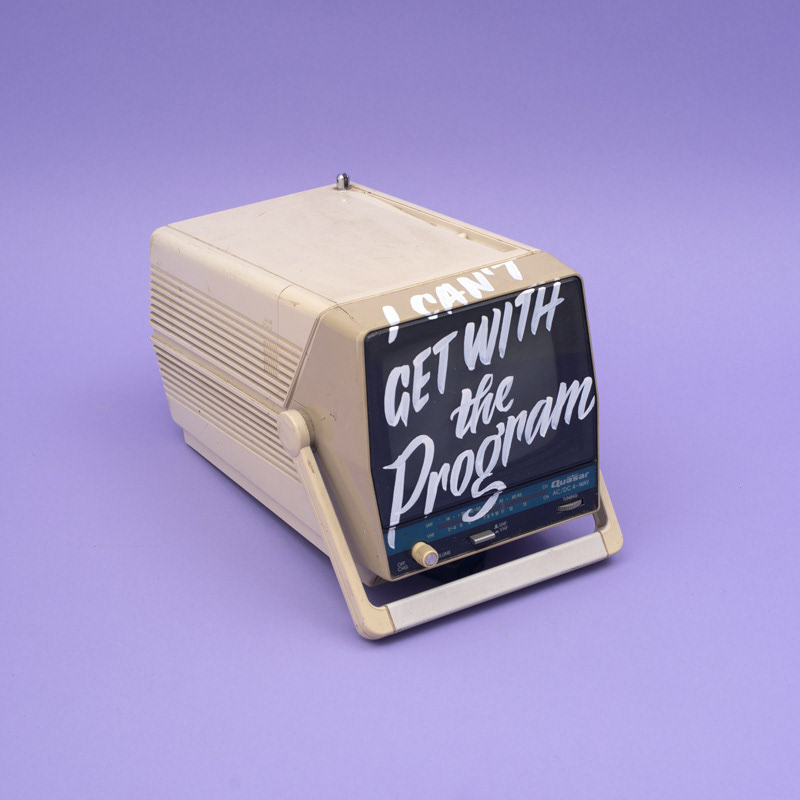
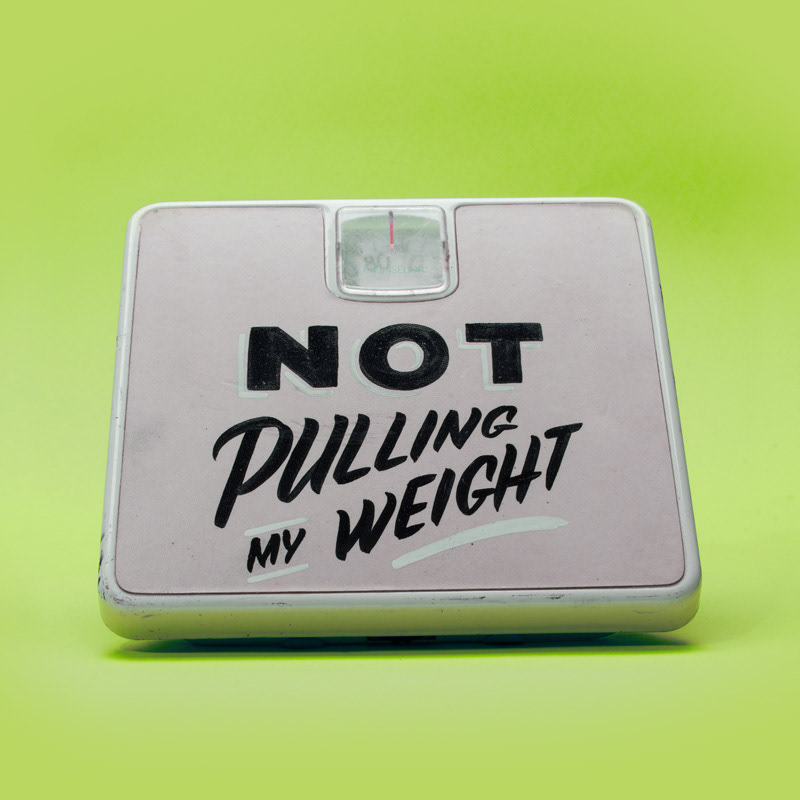
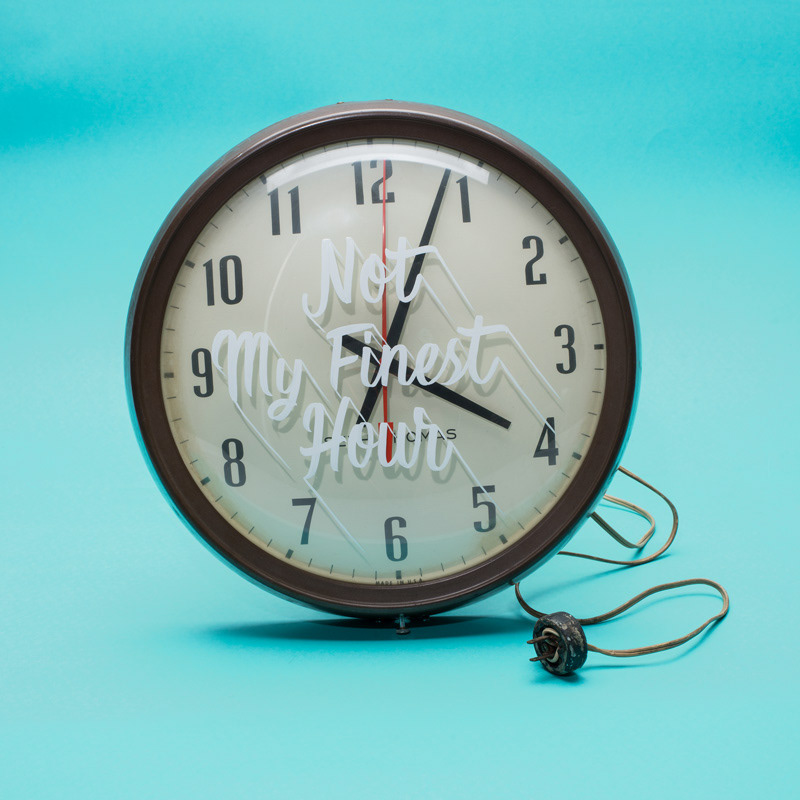
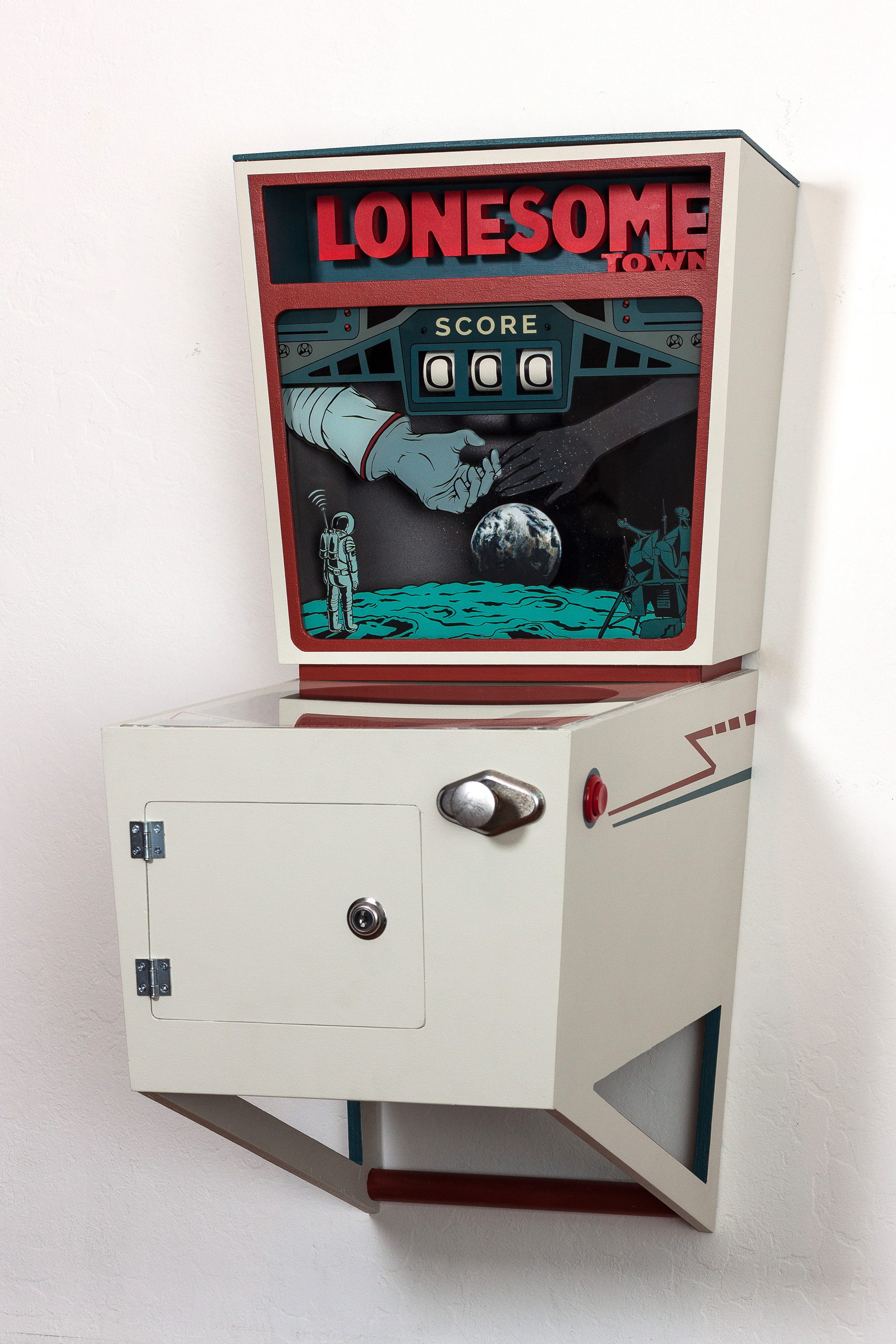
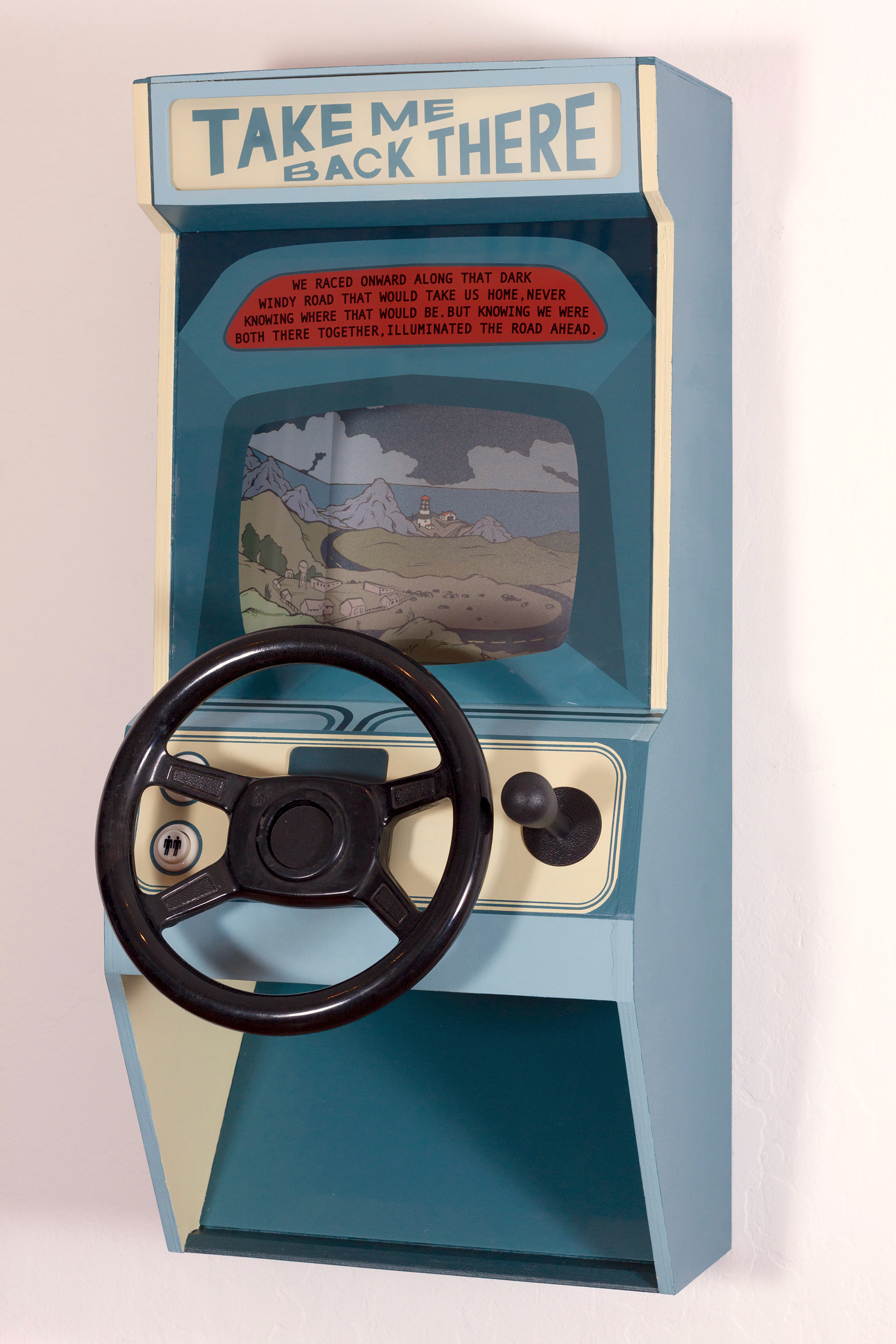
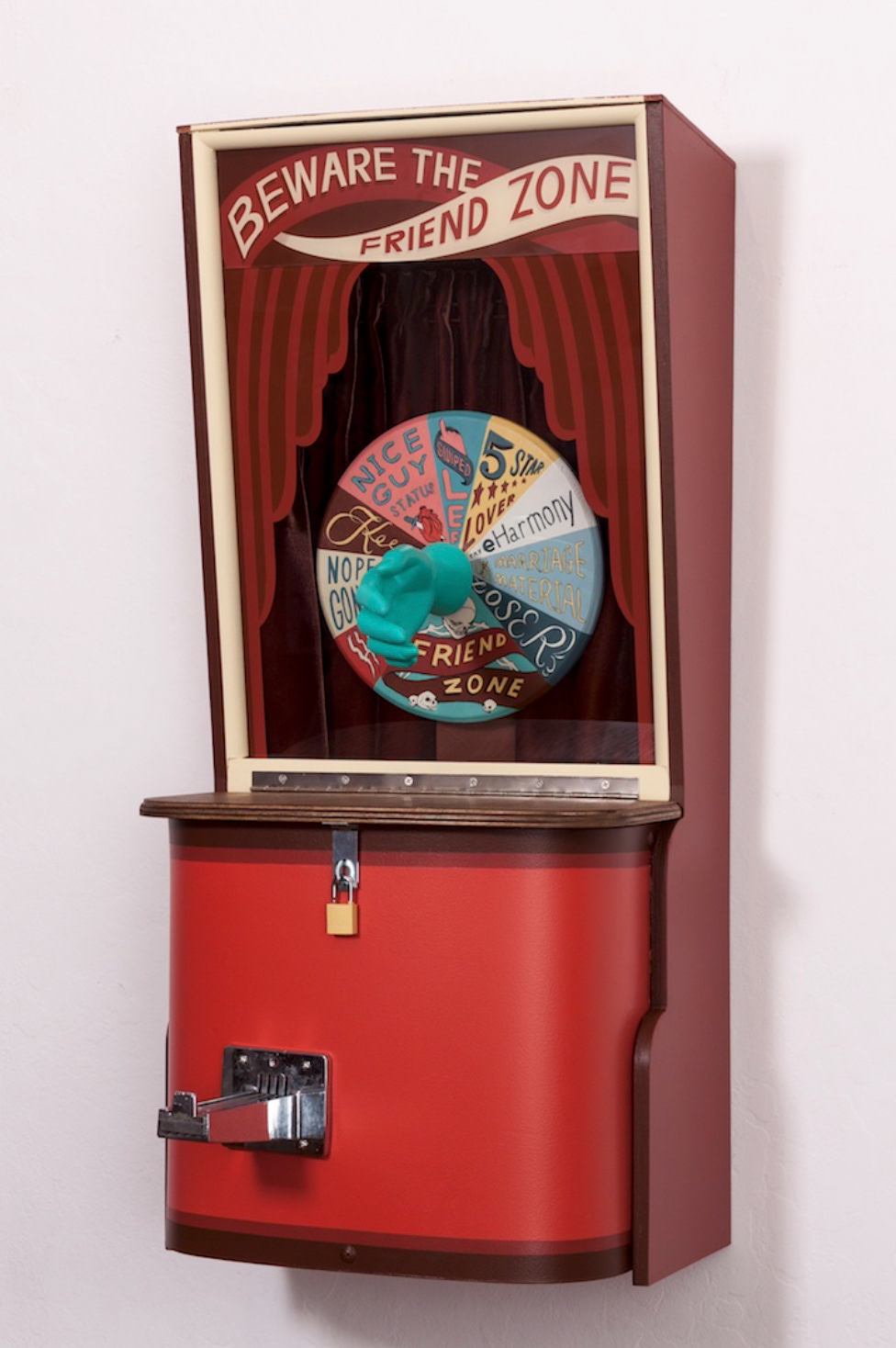
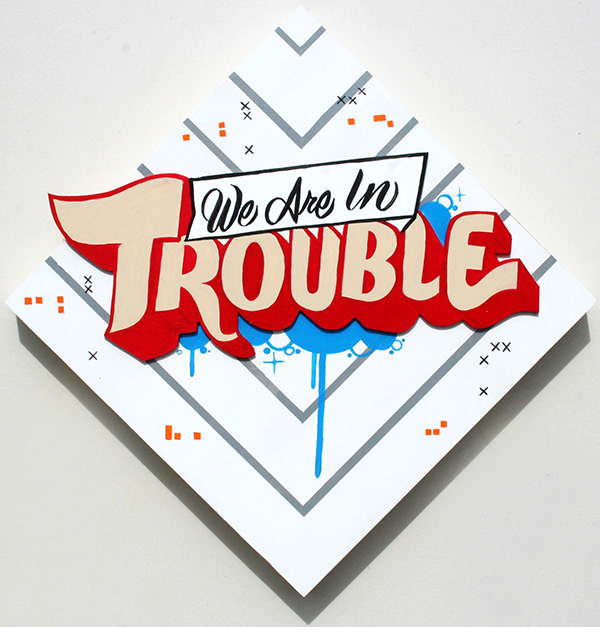
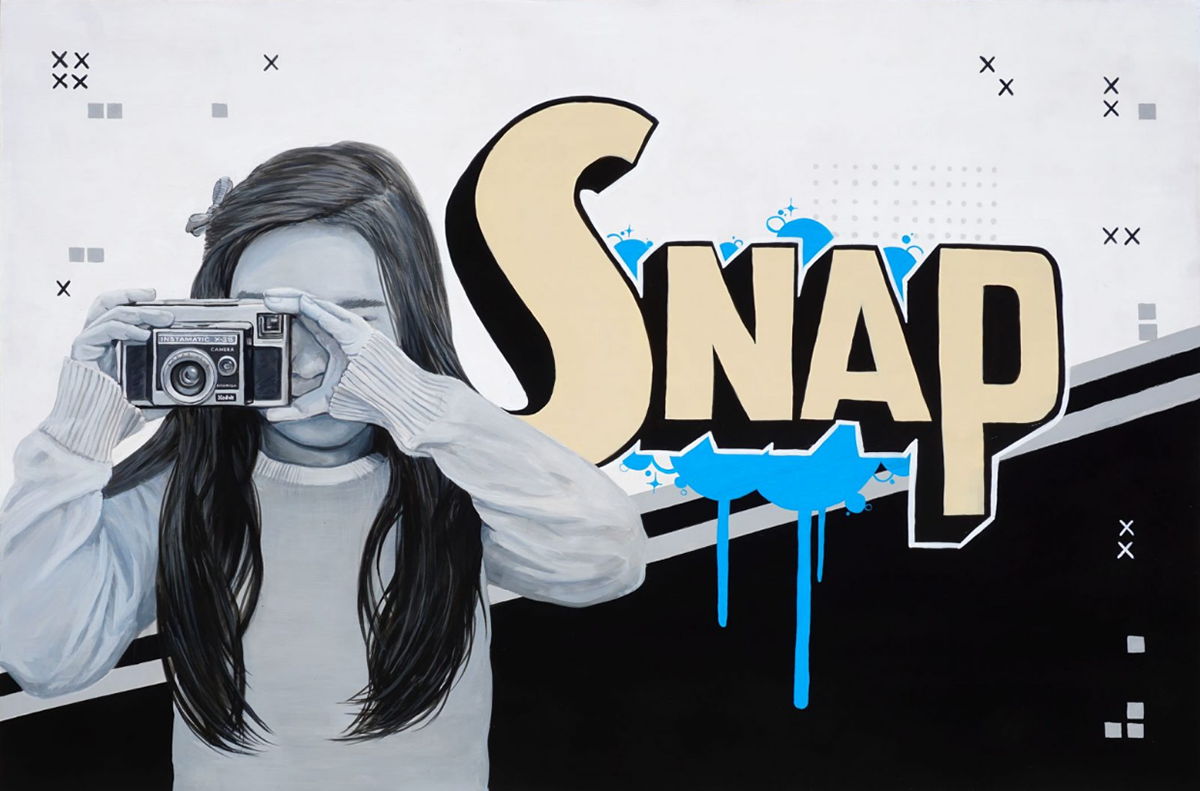
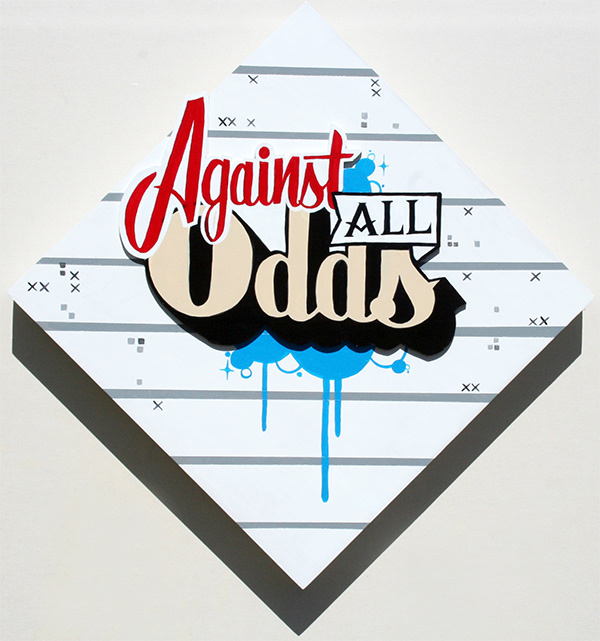
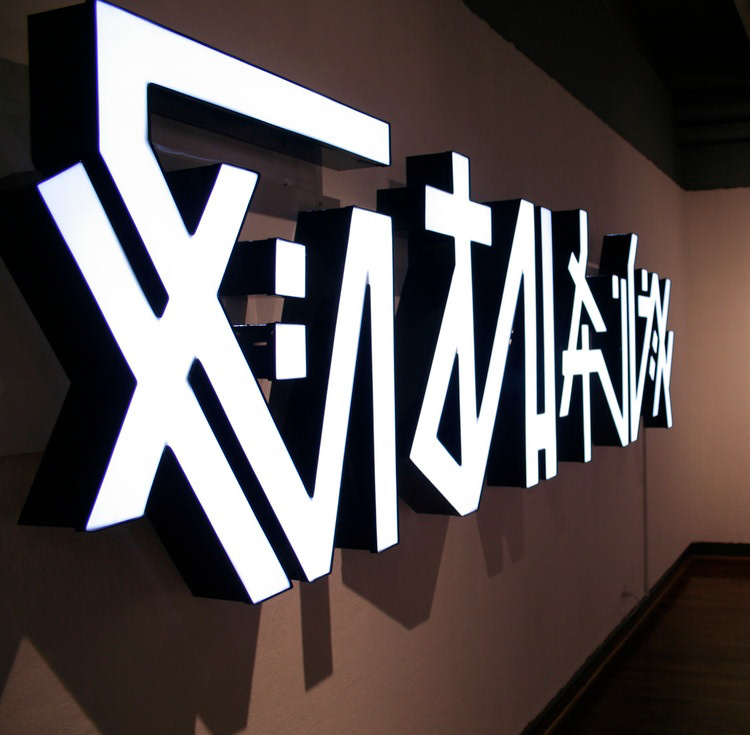
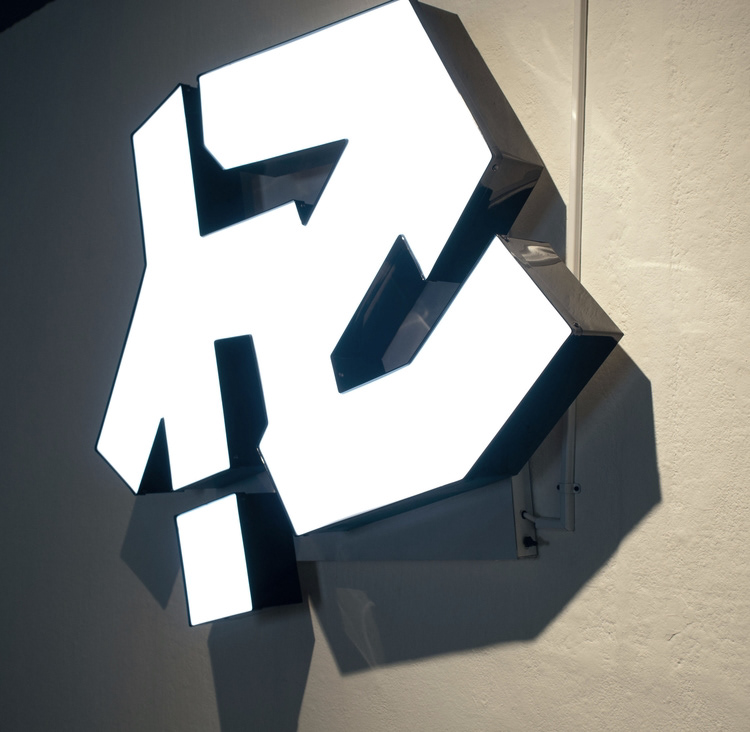
Dialect explored the unique visual language of professional sign makers, highlighting their artistic agility when pivoting from commercial work to fine art. The contributing artists utilized diverse techniques such as typography, hand-painted lettering, dimensional installations, and optical patterns to communicate distinct dialects of street and urban art styles.


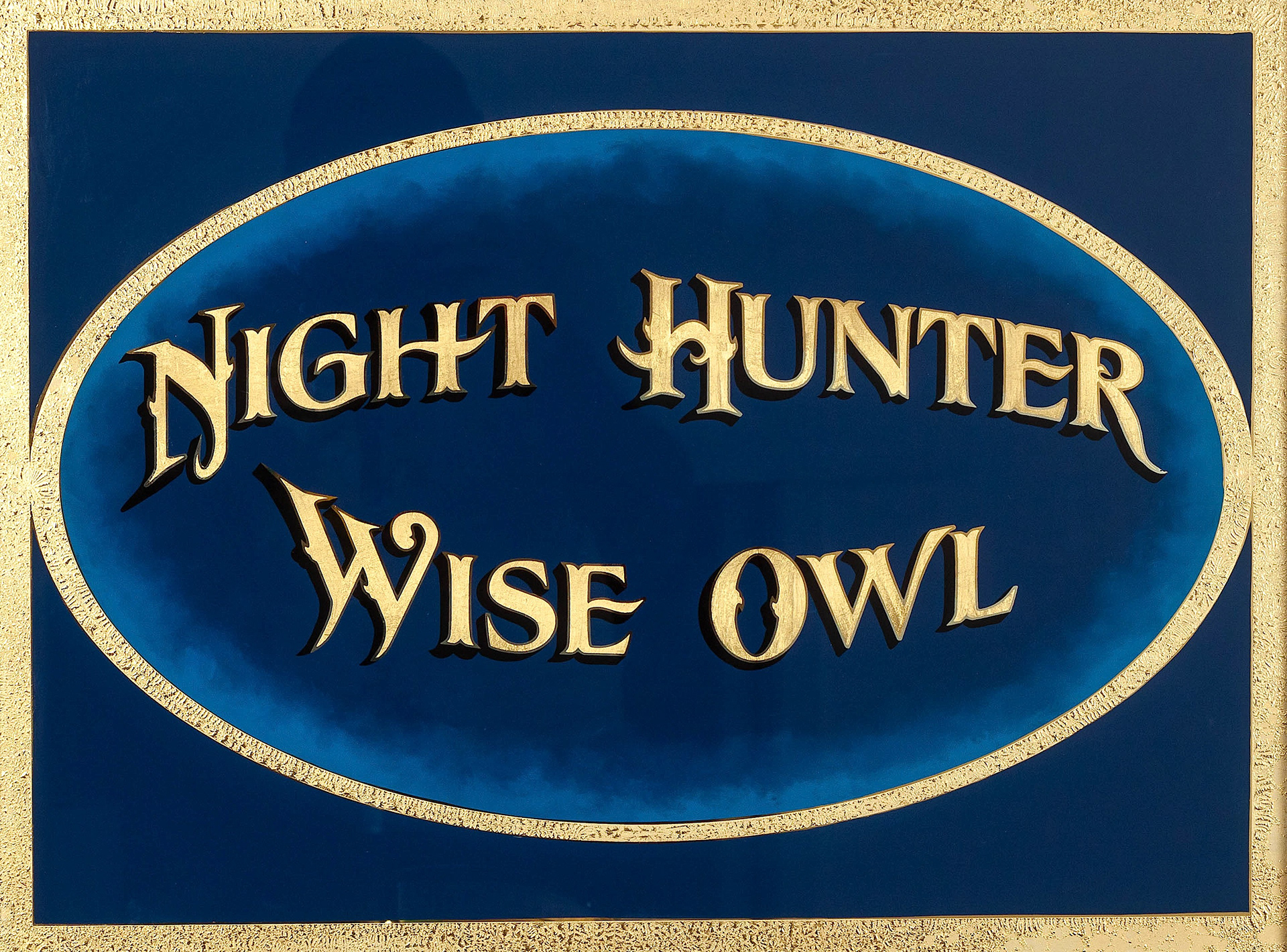
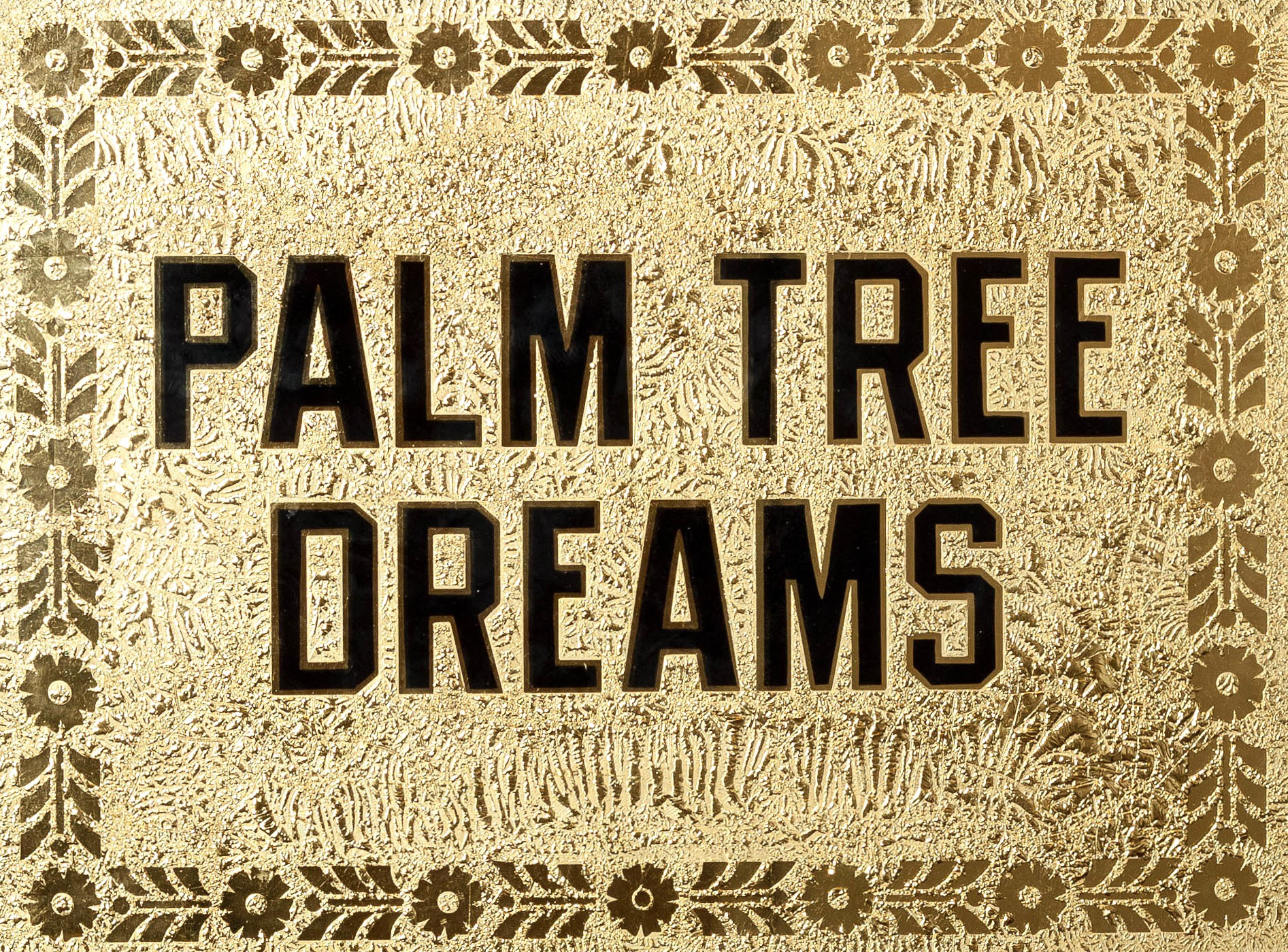
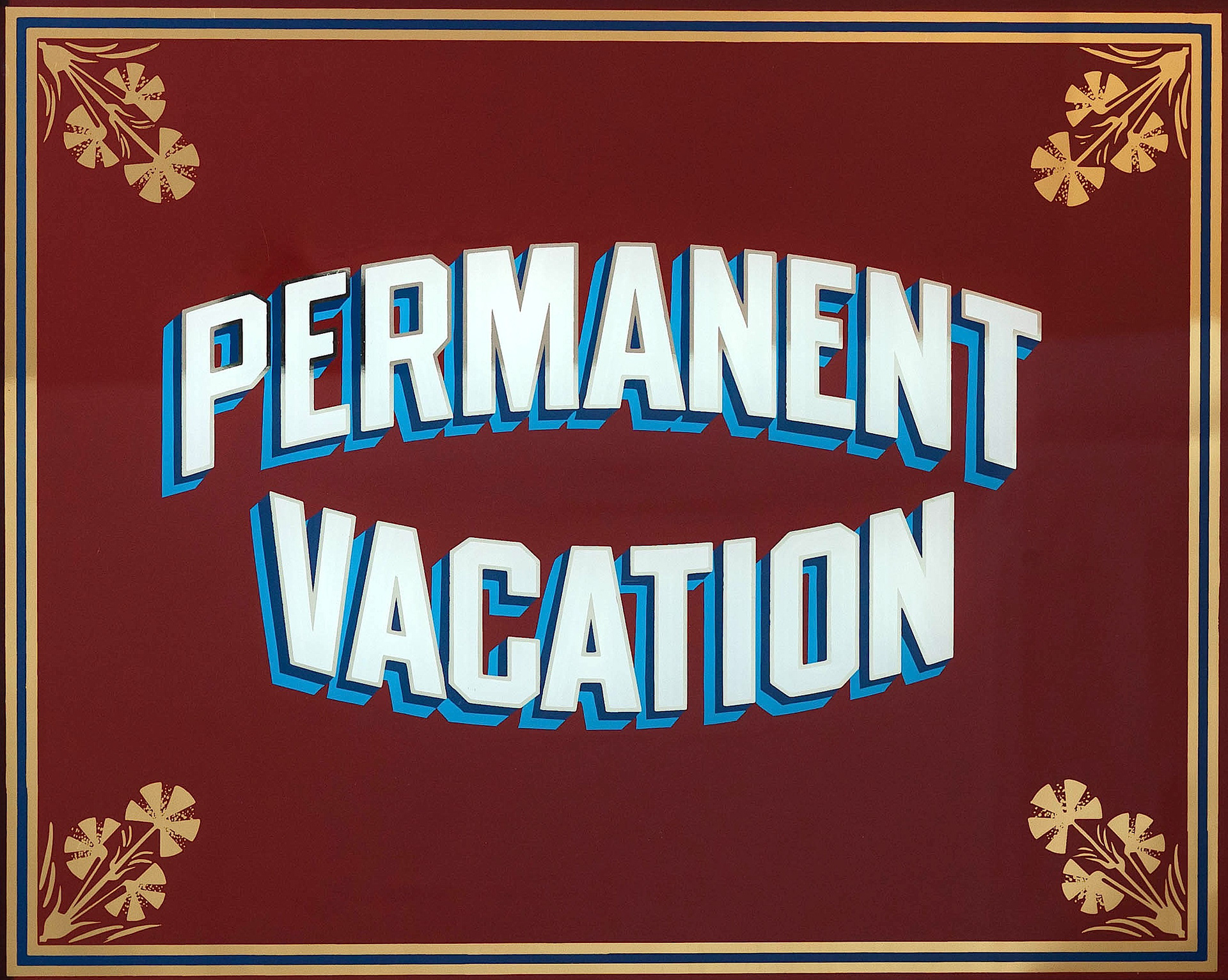
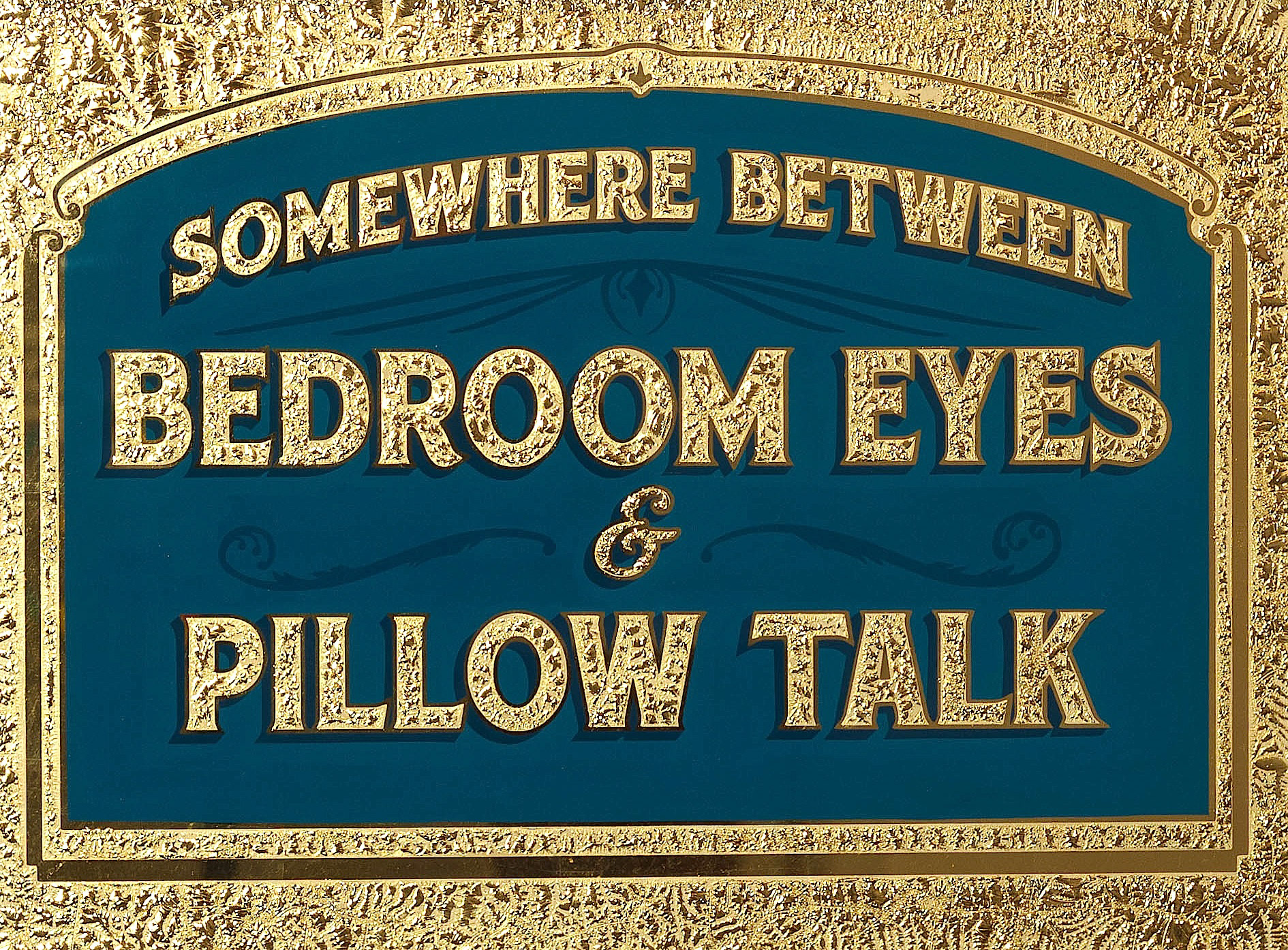

FAIRY TALE ANIMALS | PETER SAMUELS SOLO SHOW
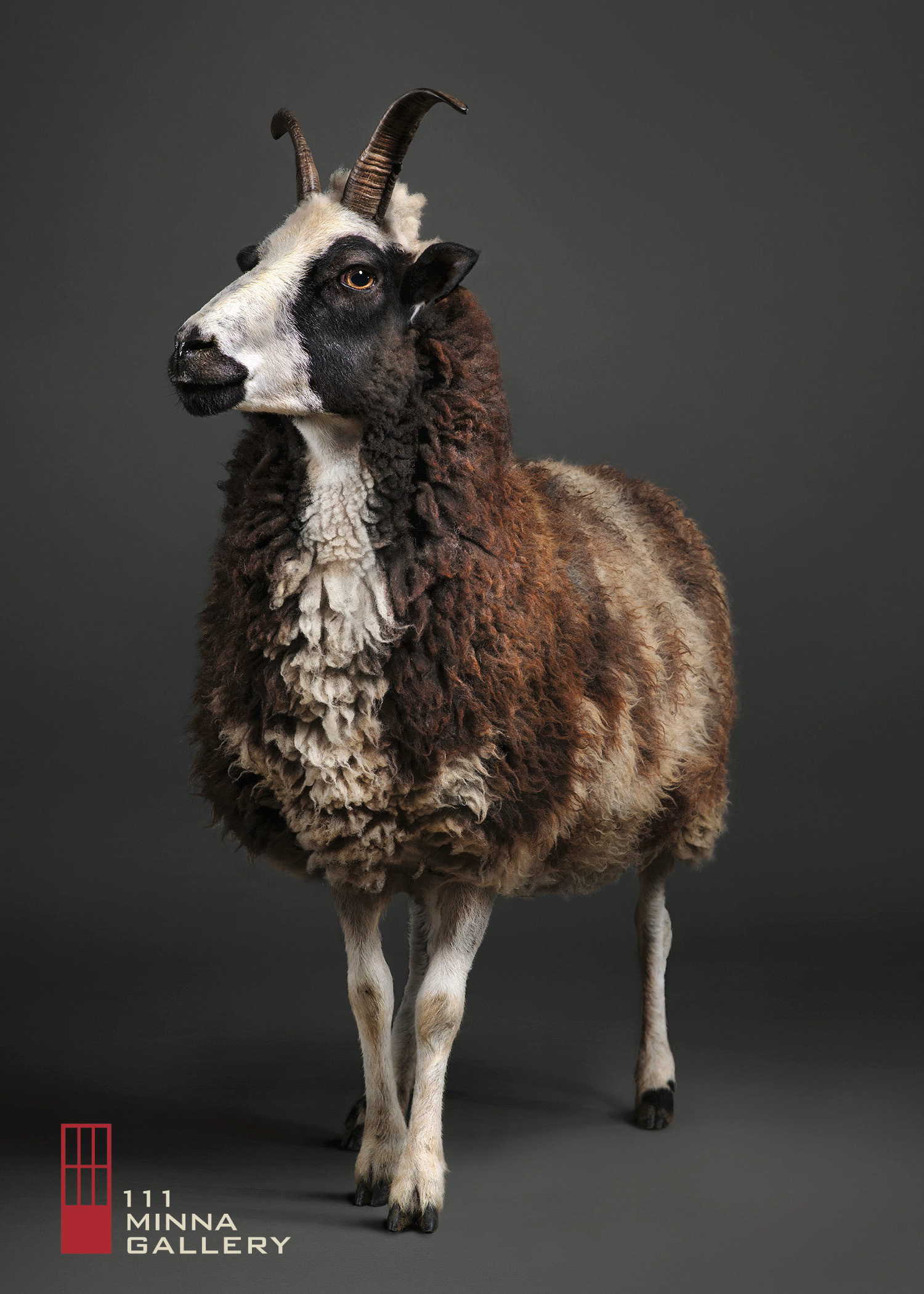
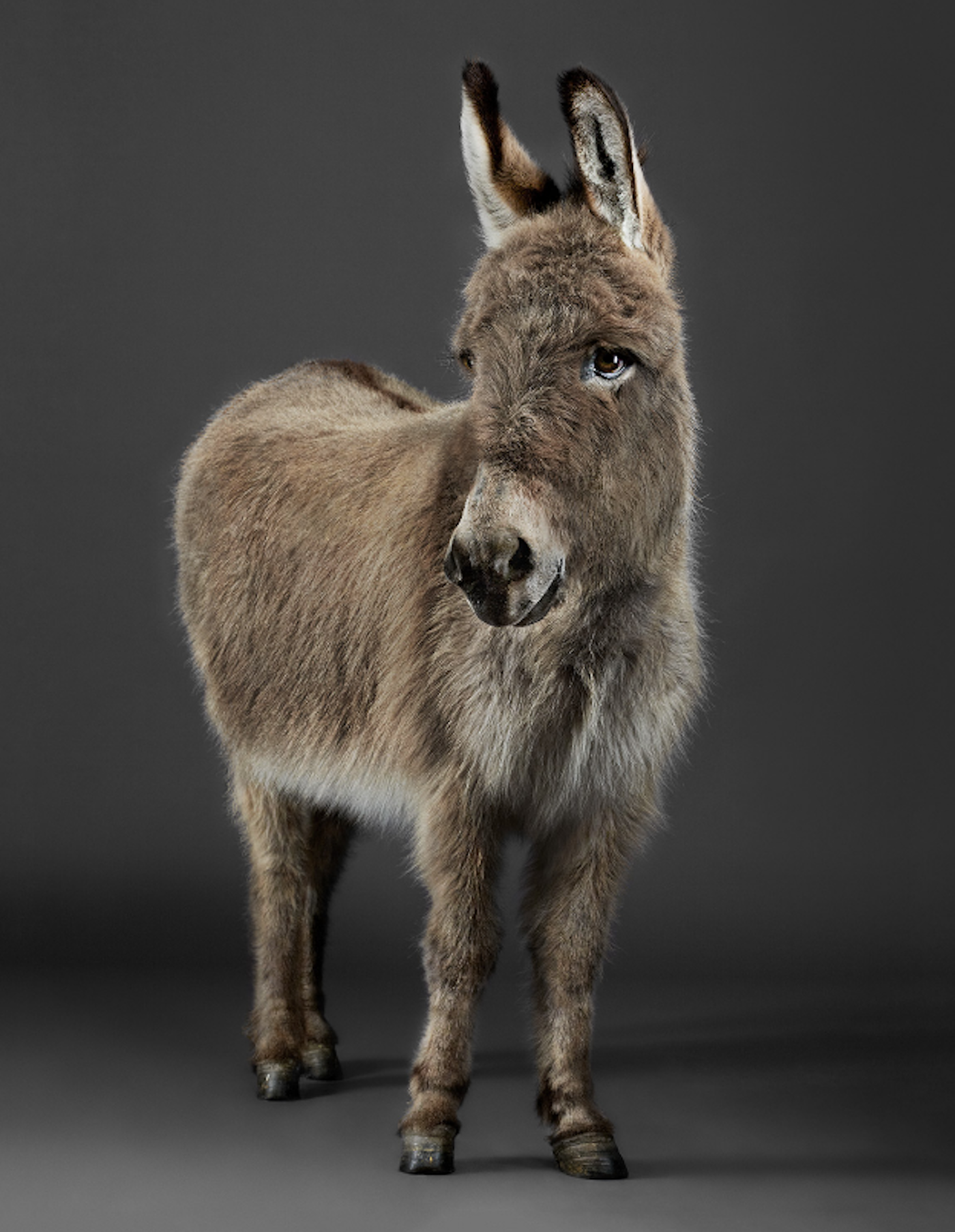
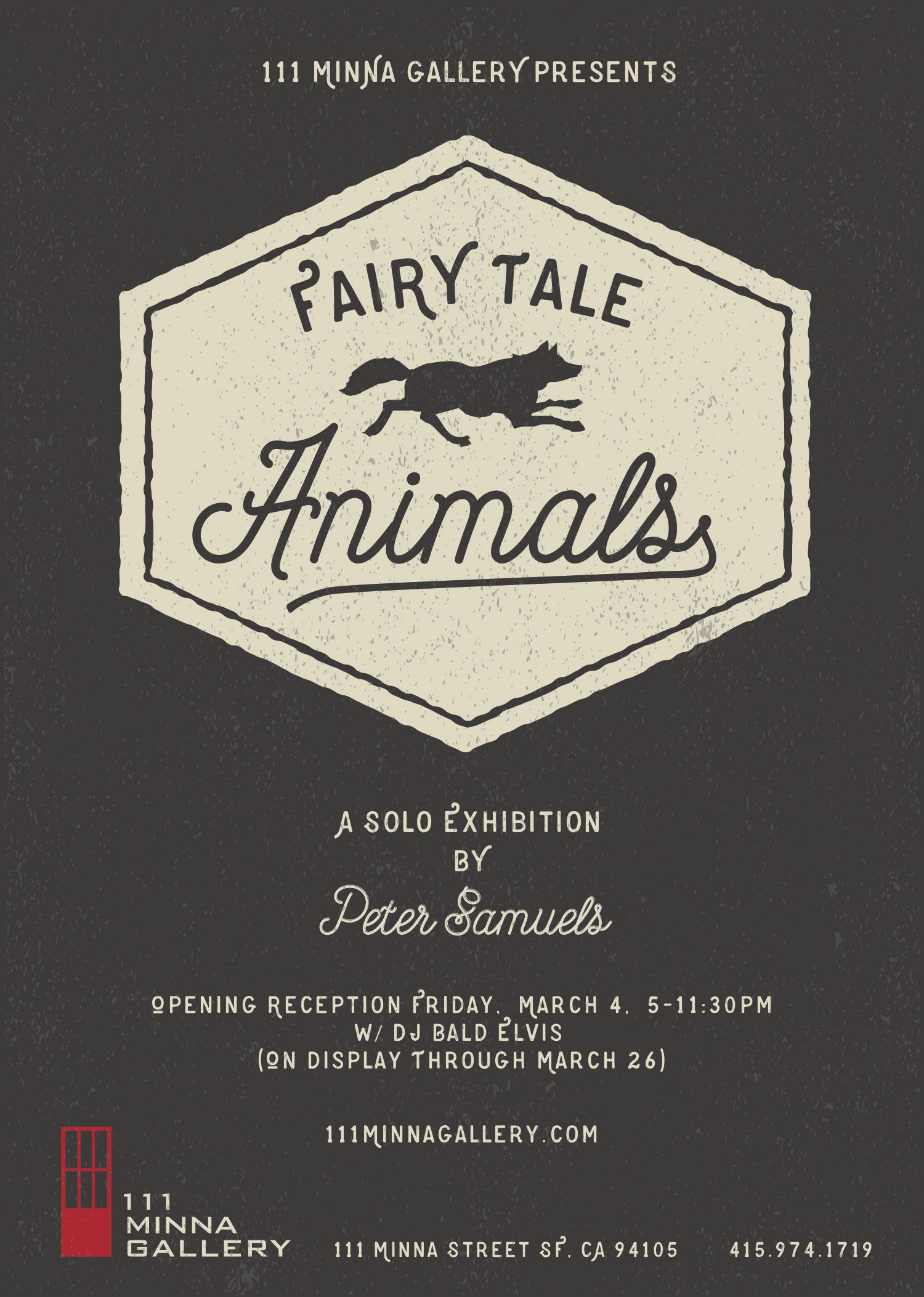
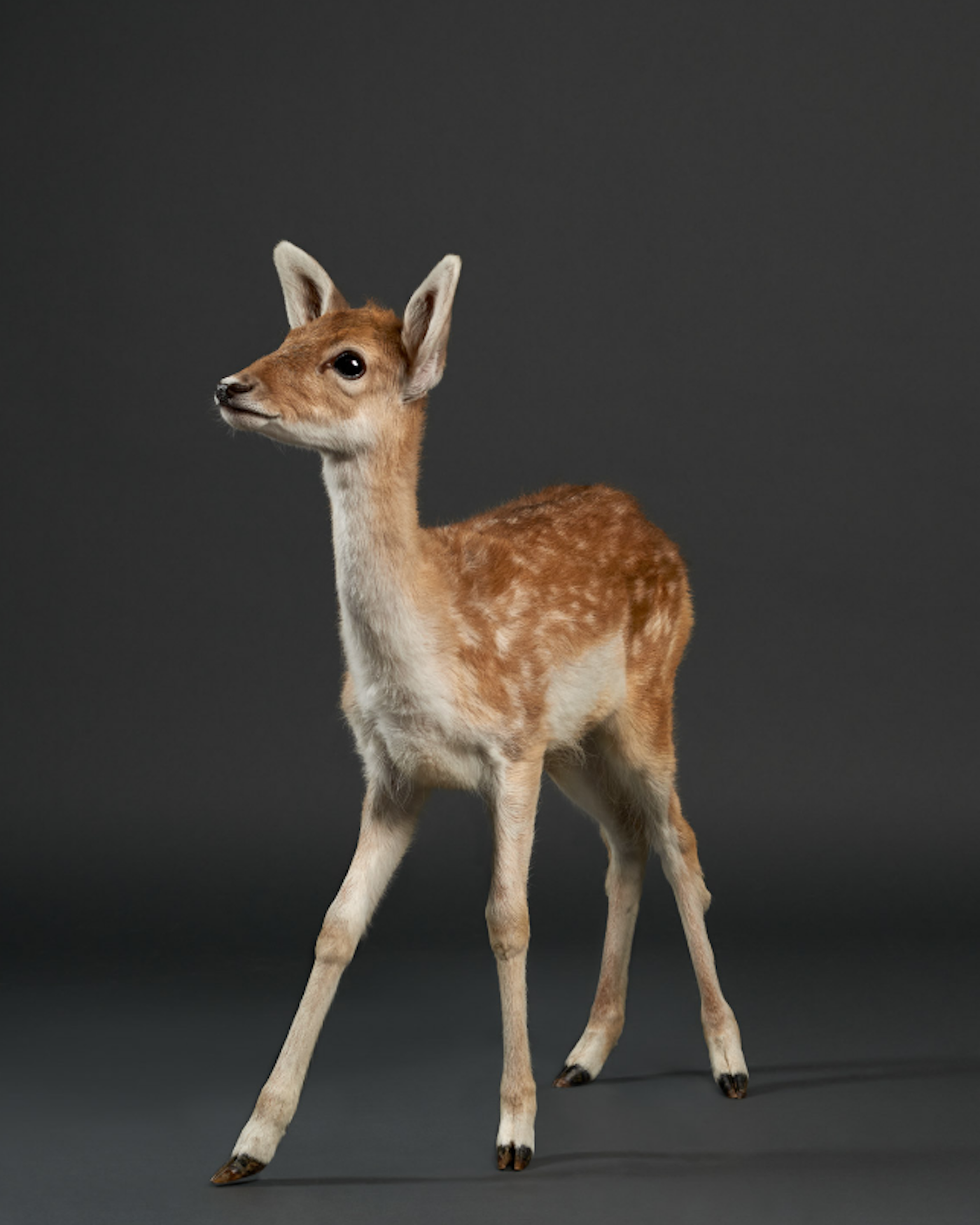
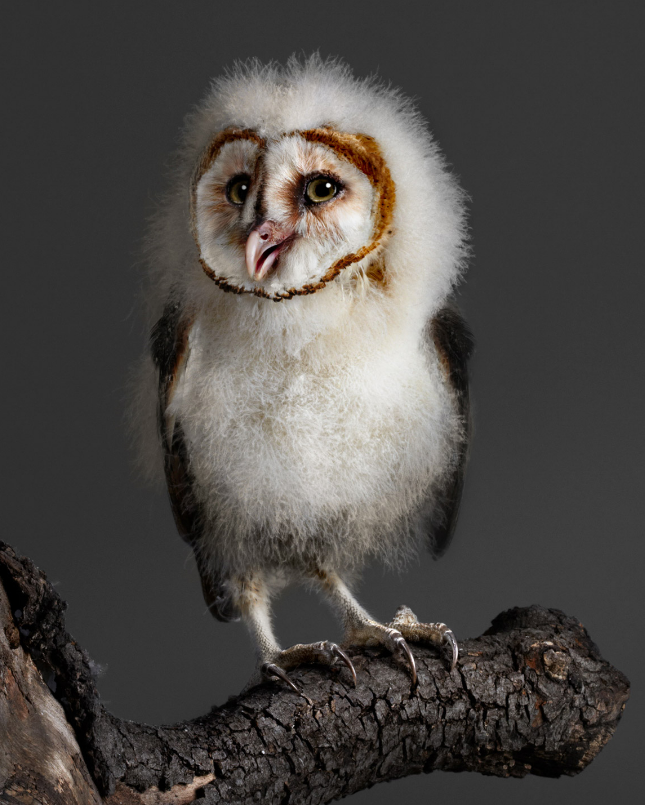
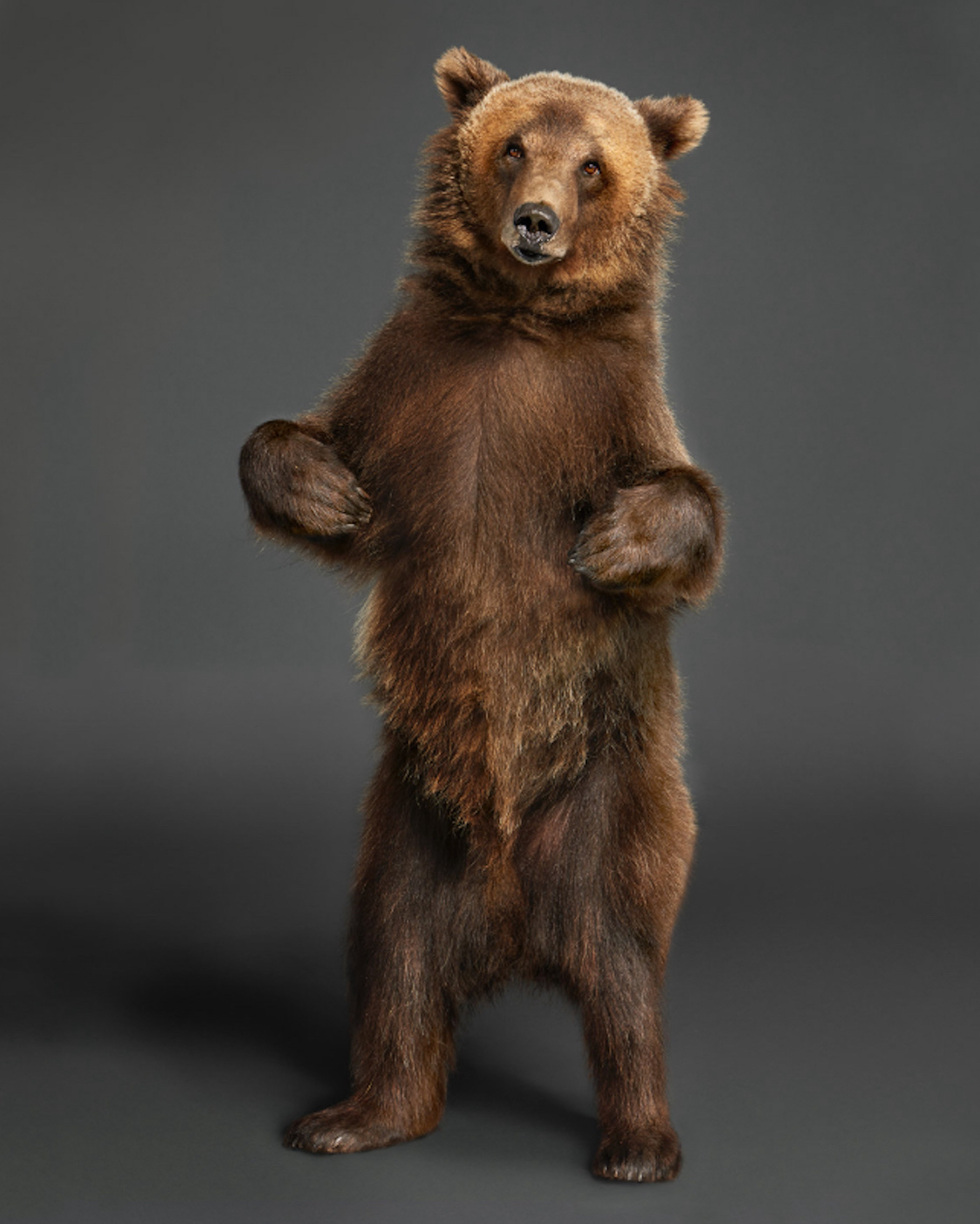
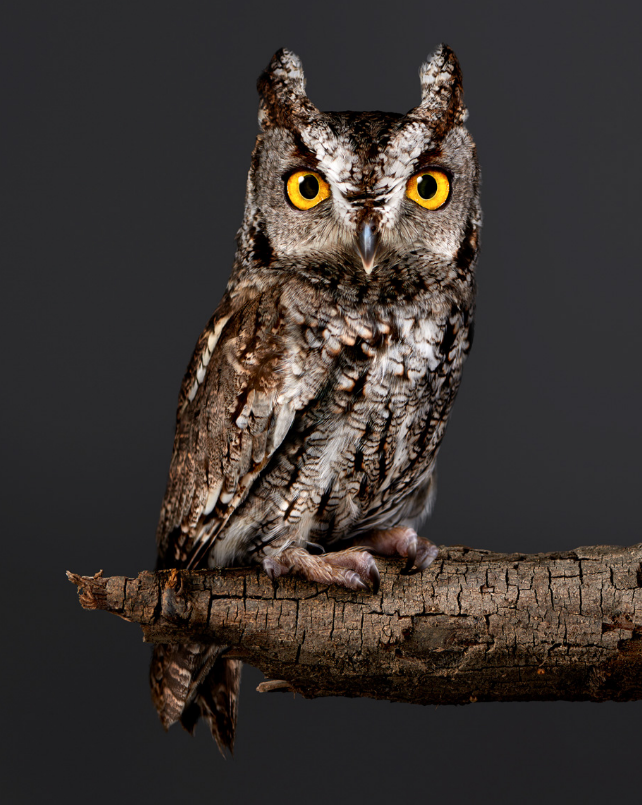
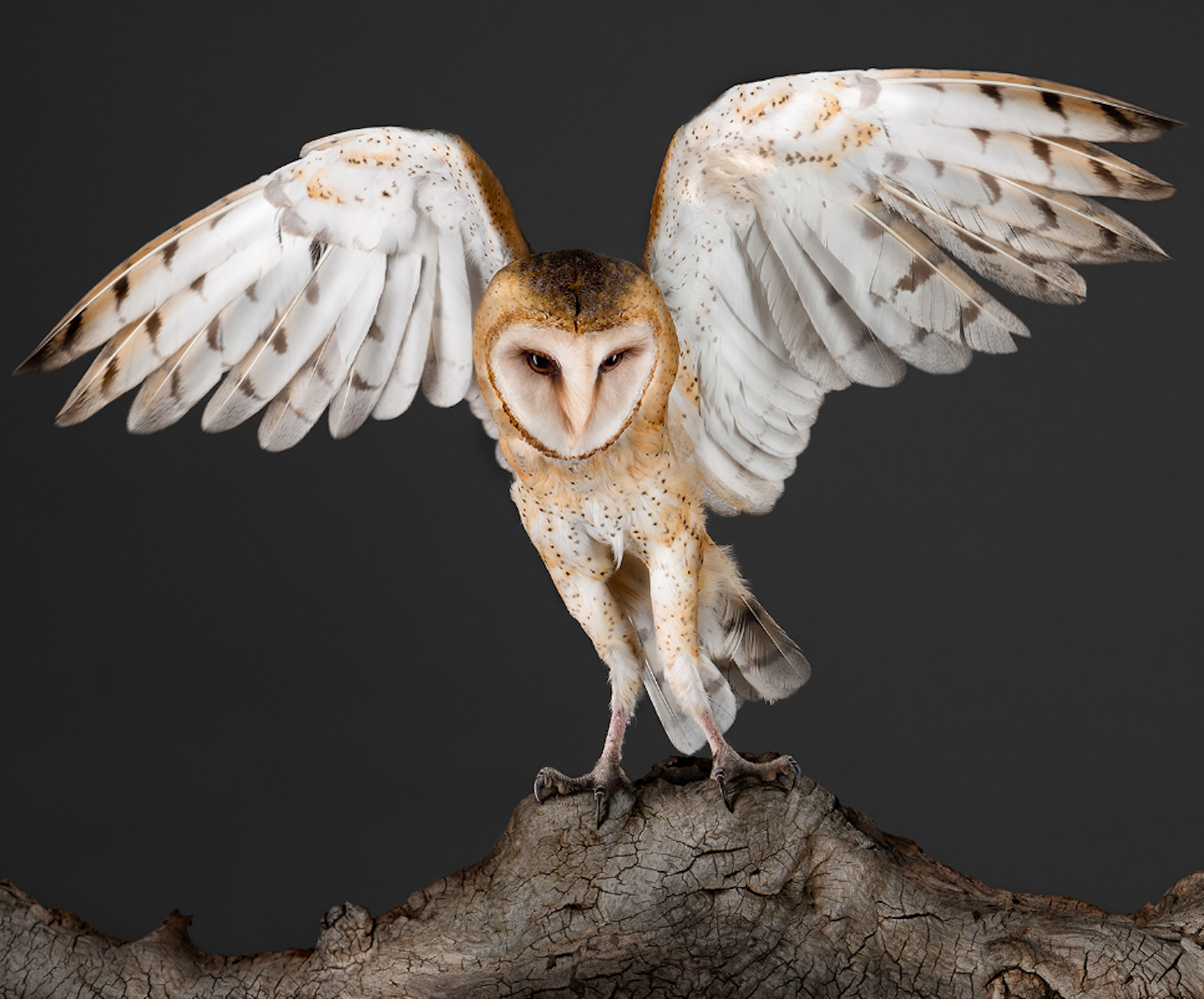
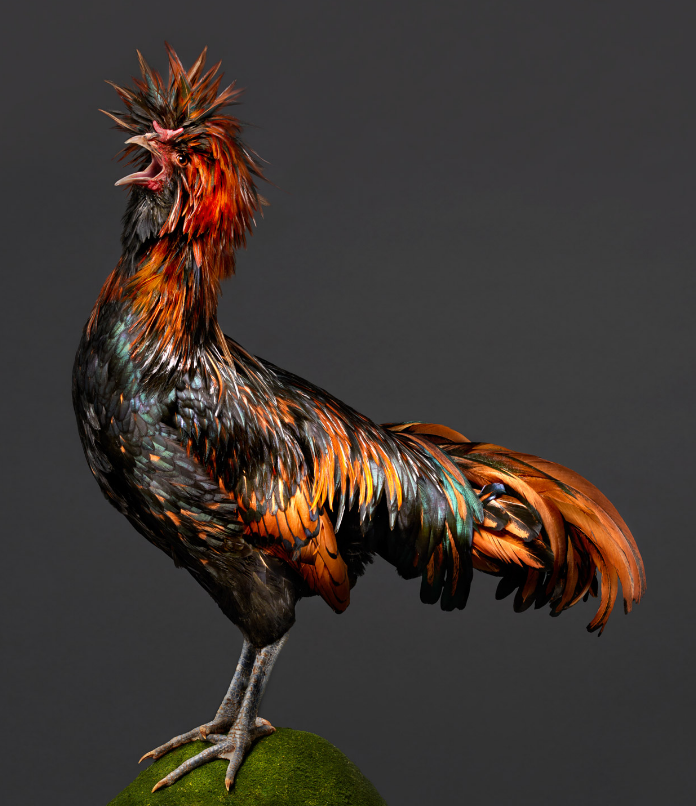
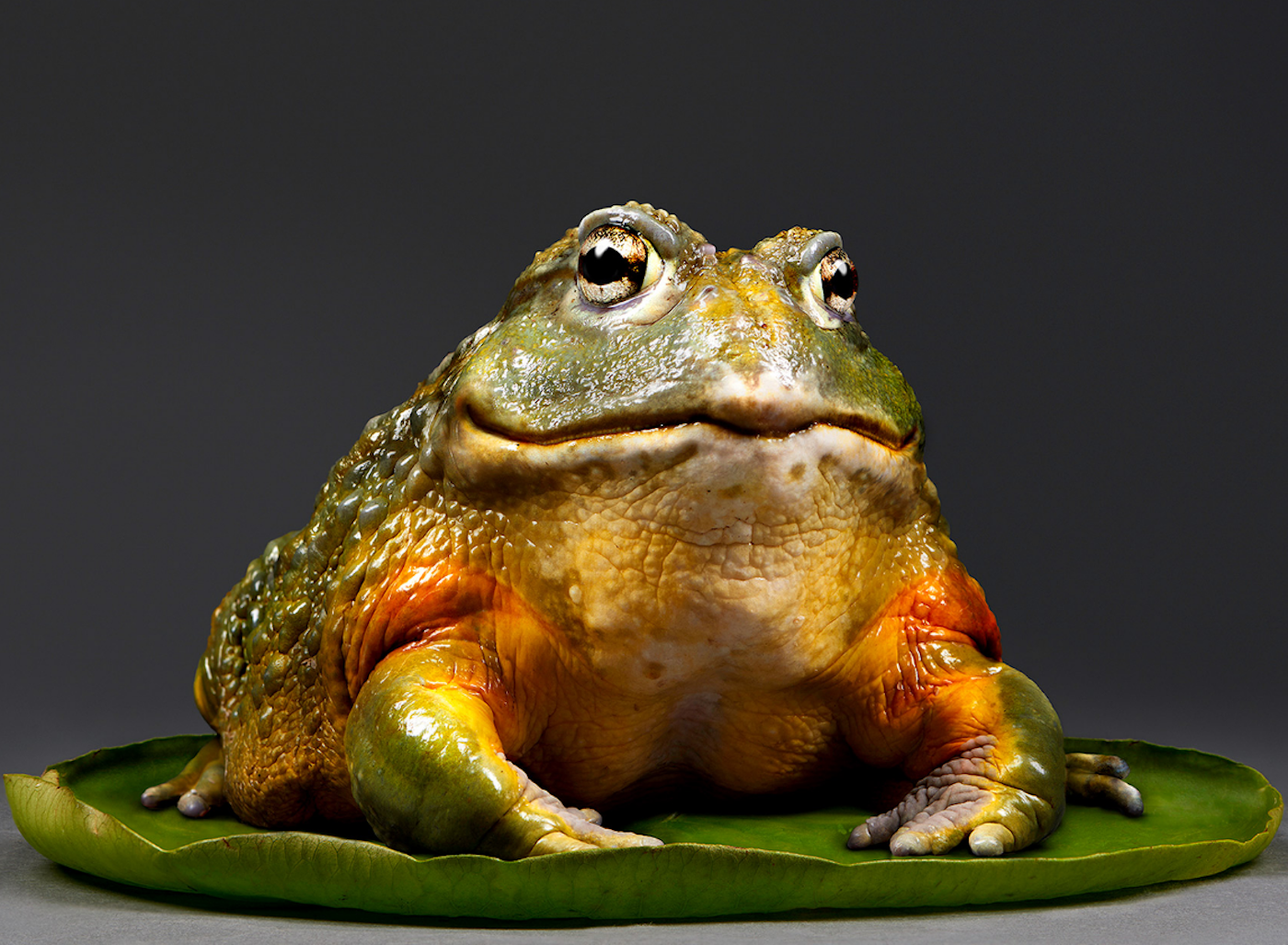
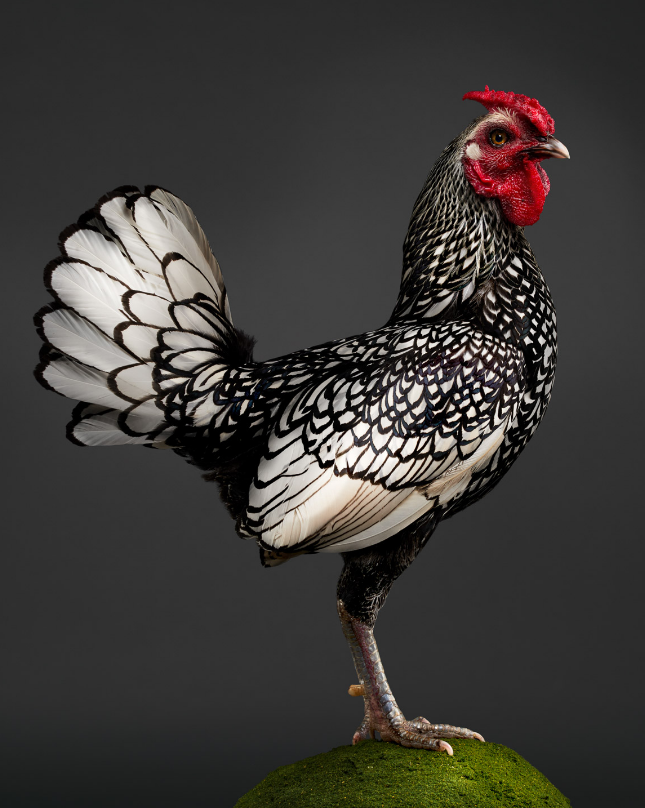
Fairy Tale Animals, was a captivating solo exhibition by photographer Peter Samuels. The collection featured a striking series of formal portraits that elevated both everyday and exotic creatures into regal, storybook figures.
Central to the power of this series was that every subject photographed was a live animal. Departing from traditional wildlife photography, Samuels worked directly with these living creatures in a studio setting. He utilized crisp, minimalist backdrops to highlight their distinct personality, poise, and dignity. By patiently coaxing these live subjects into striking, statuesque poses, the series beautifully blurred the line between the natural world and storybook mythology.
WALKING, TALKING, STALKING | GUY COLWELL SOLO SHOW
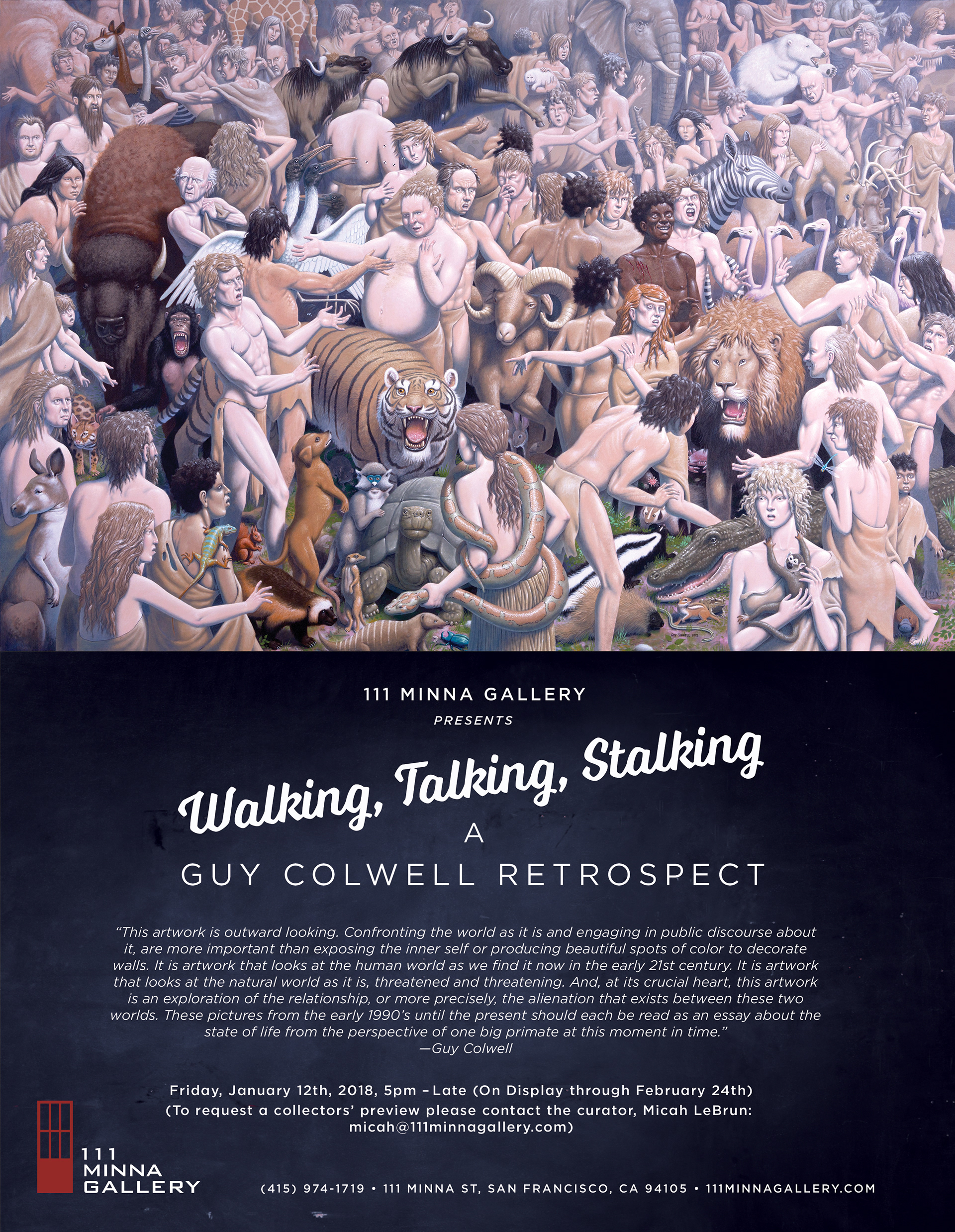
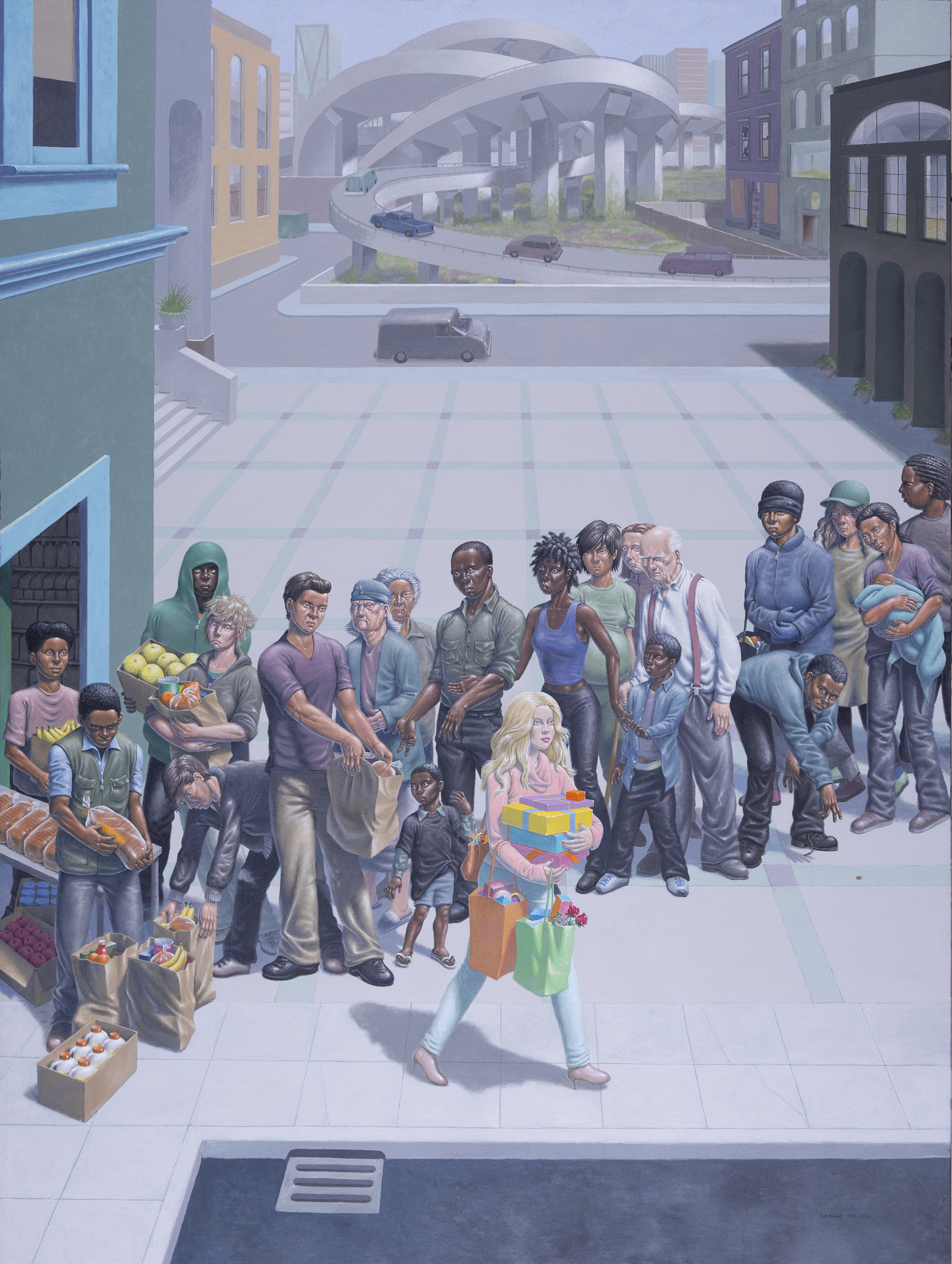
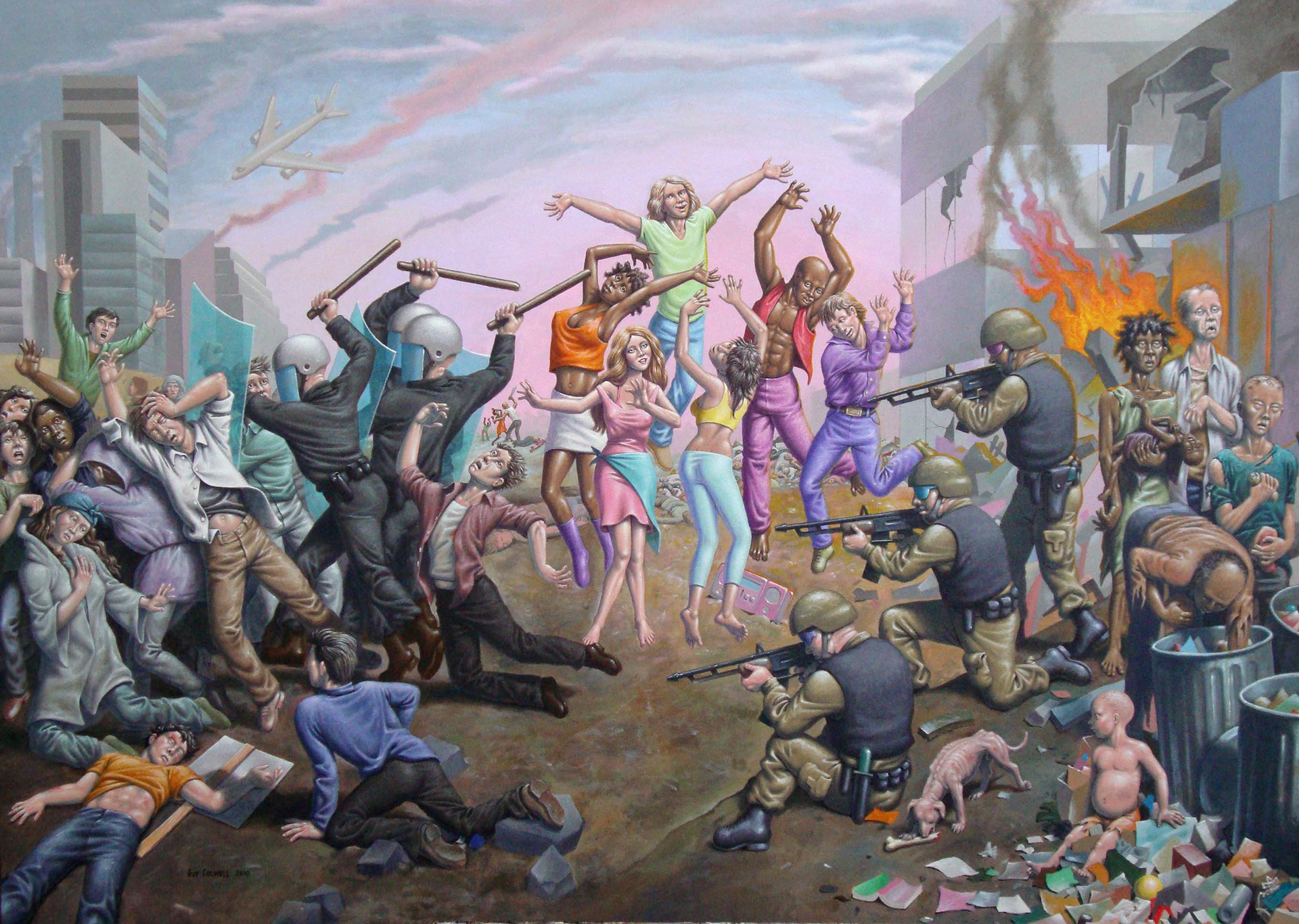
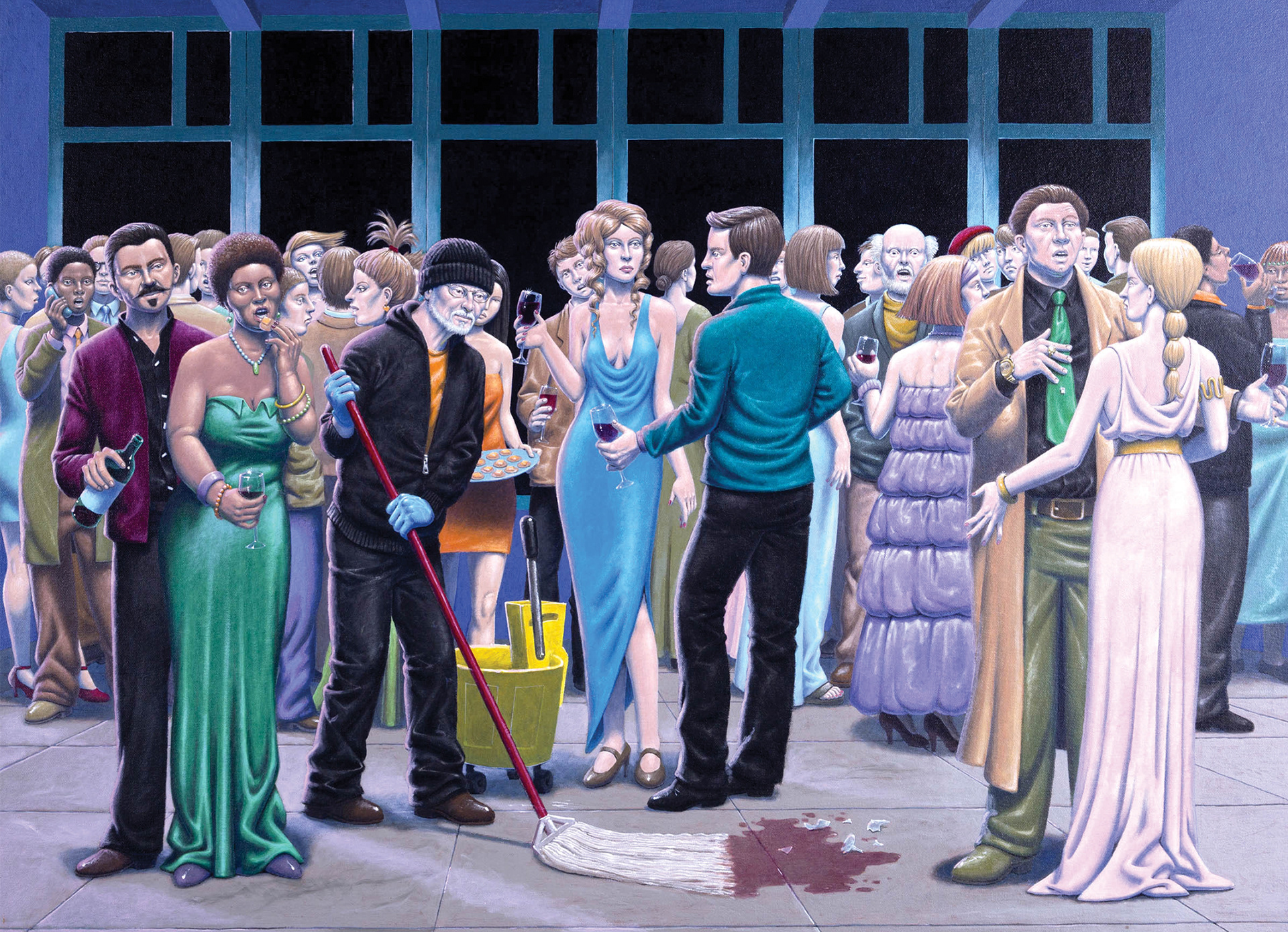
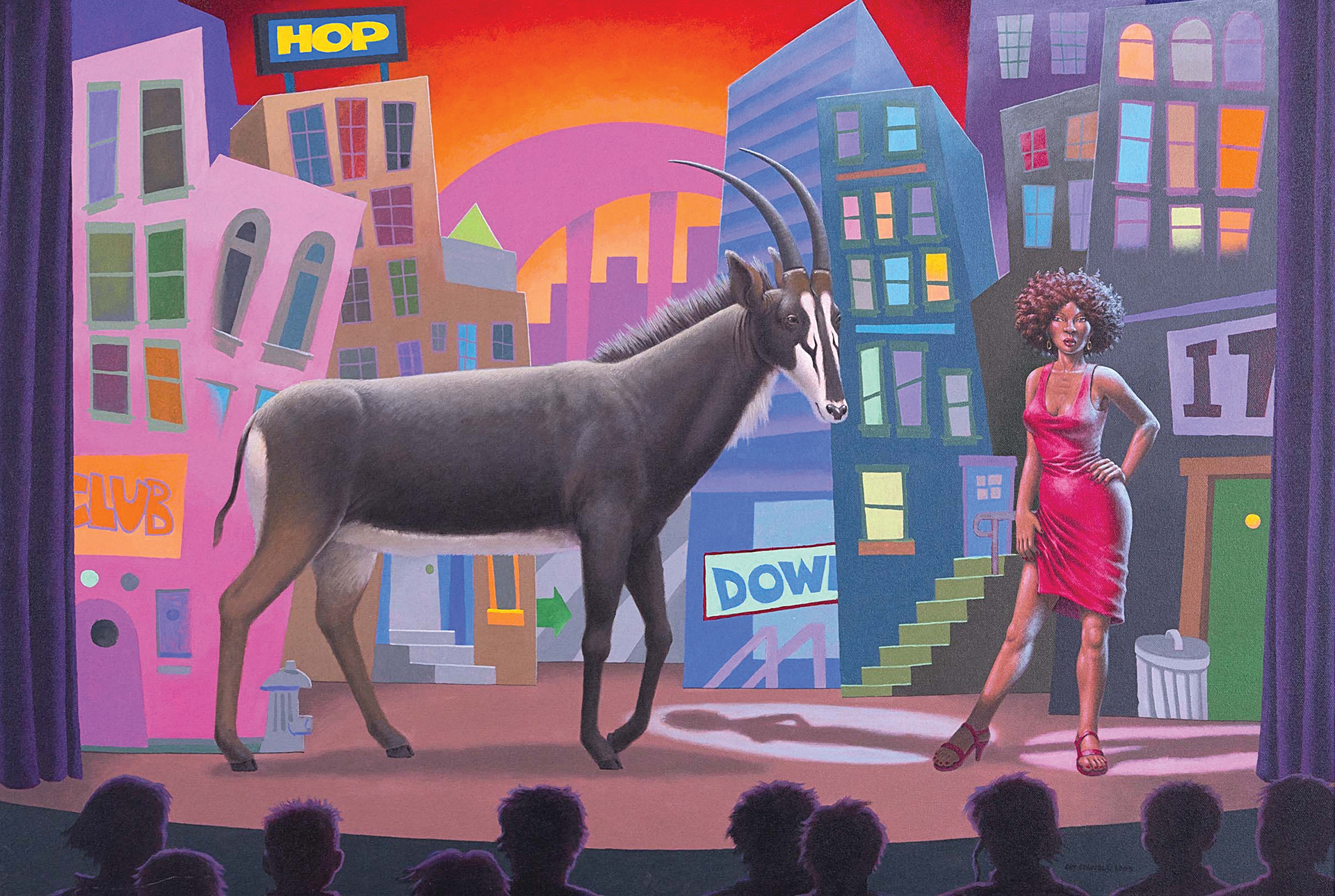
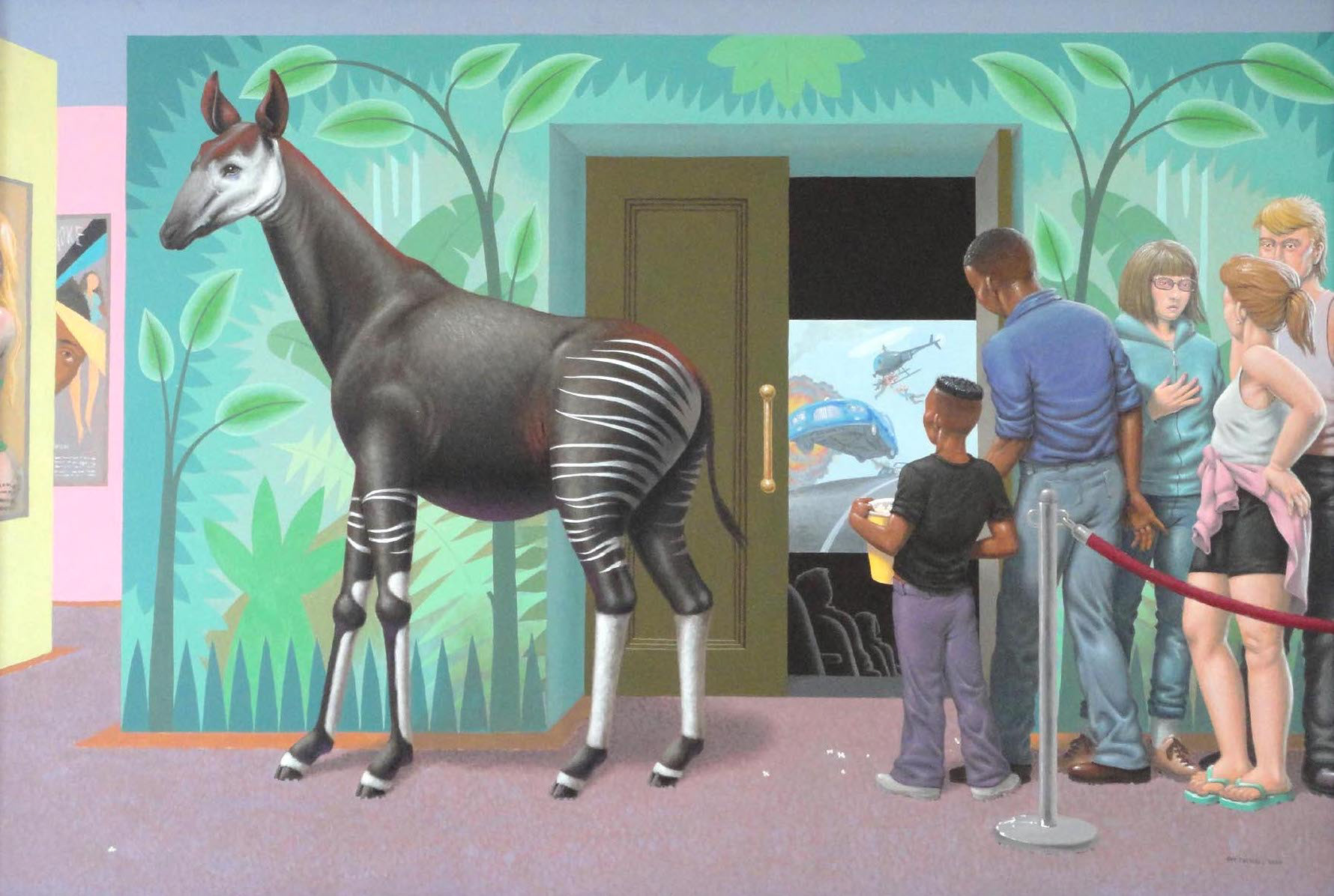
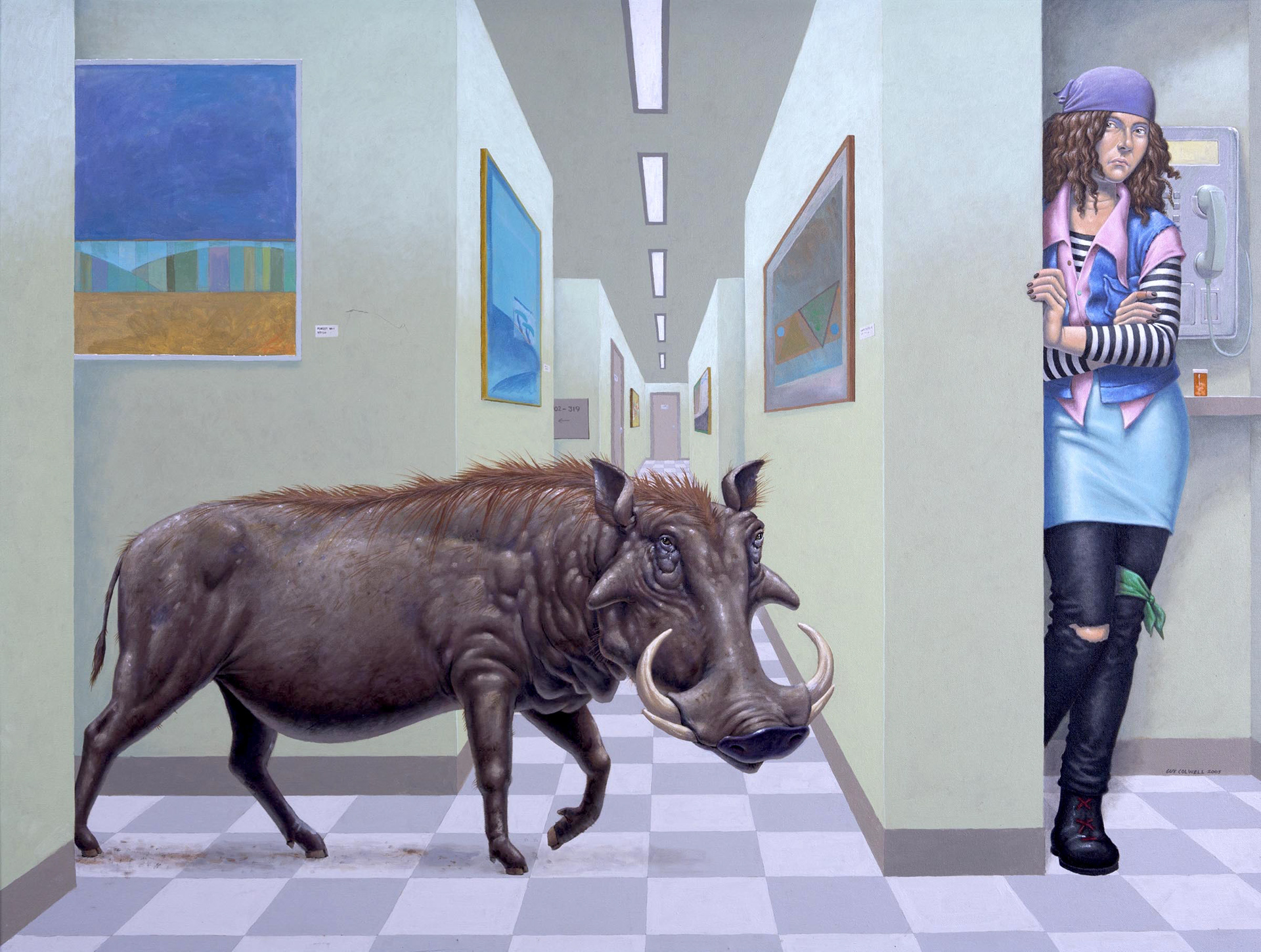
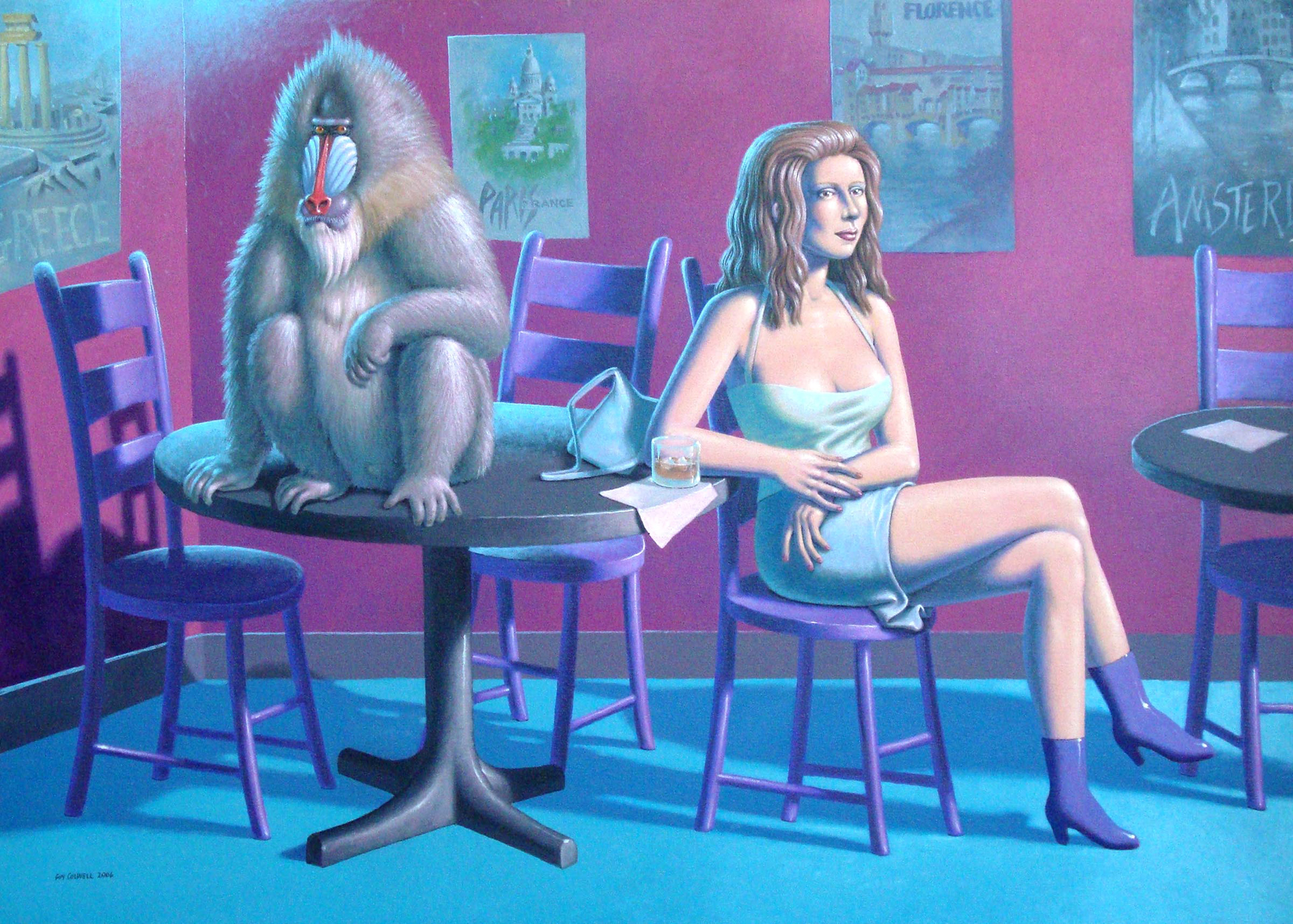
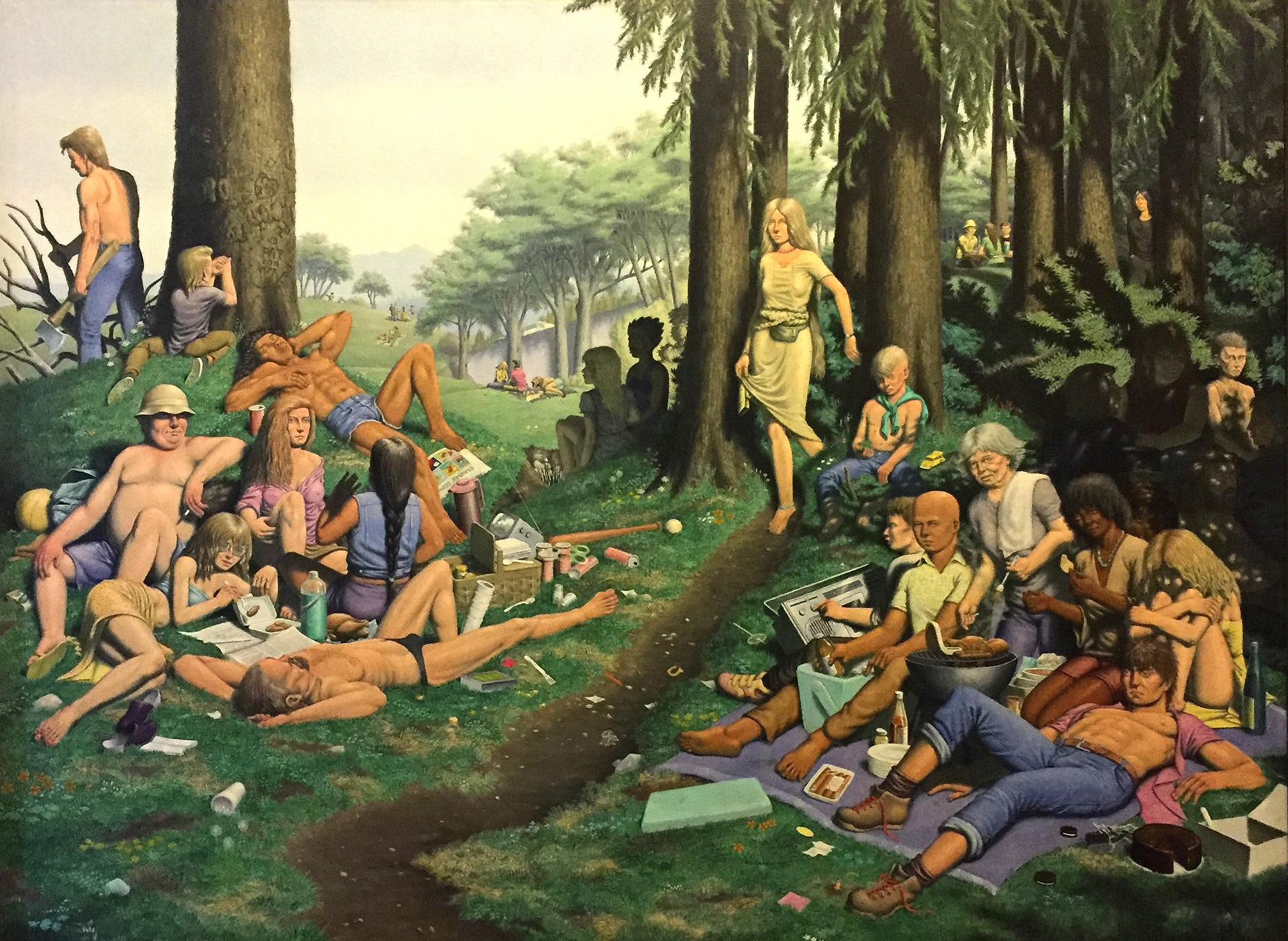
Walking, Talking, Stalking was a major retrospective exhibition tracking the formidable career of painter and underground comix pioneer Guy Colwell. Spanning his prolific output from the 1990s through 2018, this comprehensive show spotlighted Colwell's unflinching lens on the early 21st century through character-driven, narrative canvases that functioned as intellectual essays on the modern human condition.
The core framework of the exhibition explored what Colwell identifies as "Figurative Social Surrealism"—a reality-based engagement with urgent public discourse. Rather than crafting escapist art, the show examined the profound alienation between a threatened natural world and a fracturing human landscape. Through dense, vibrant observational tableaux teeming with distinct characters, the selected works confronted viewers with heavy global realities—ranging from economic inequality to environmental preservation—while masterfully weaving in satirical, sardonic, and surreal undertones.
Ultimately, the retrospective served as a mirror for our bumbling species, challenging the audience to step outside of contemporary disengagement and bear witness to our collective reality.
LOST AMERICA | TROY PAIVA SOLO SHOW
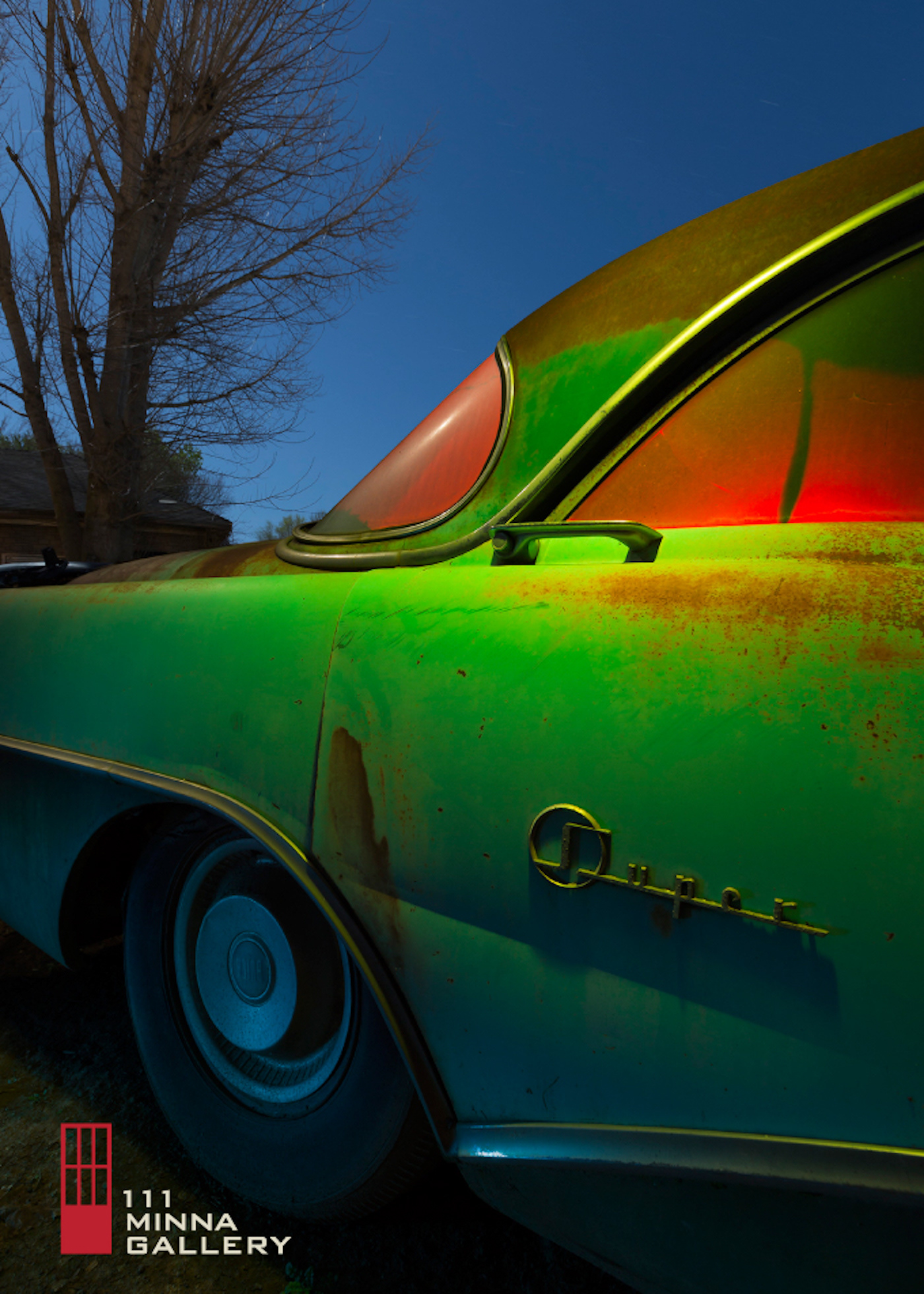
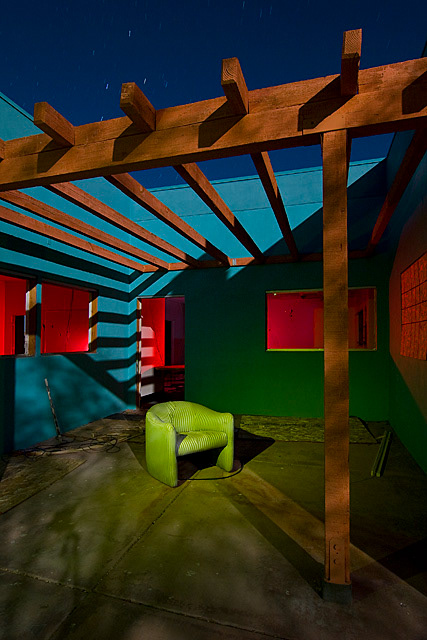
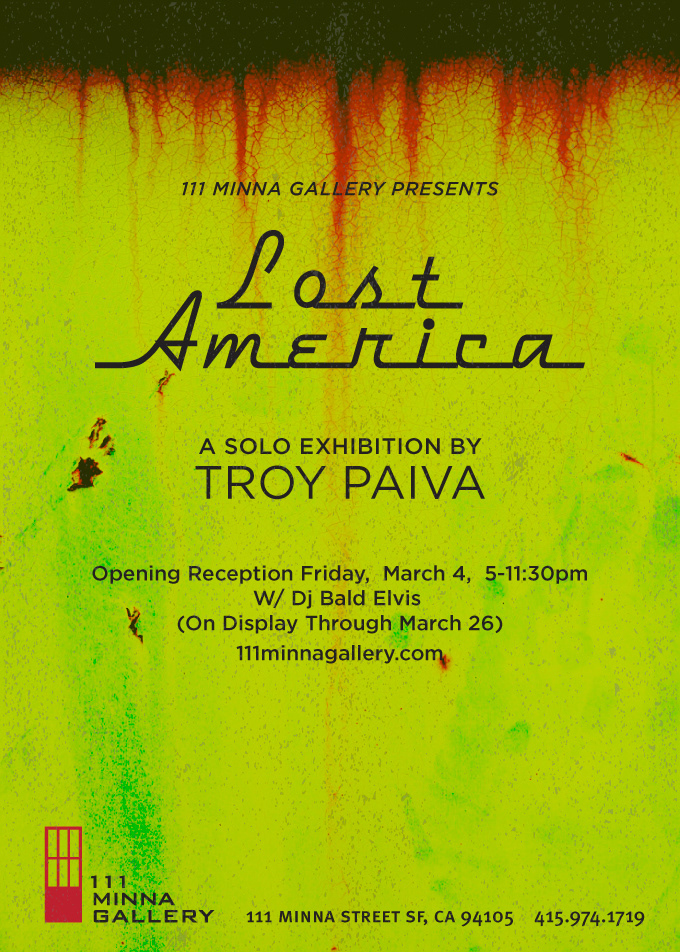
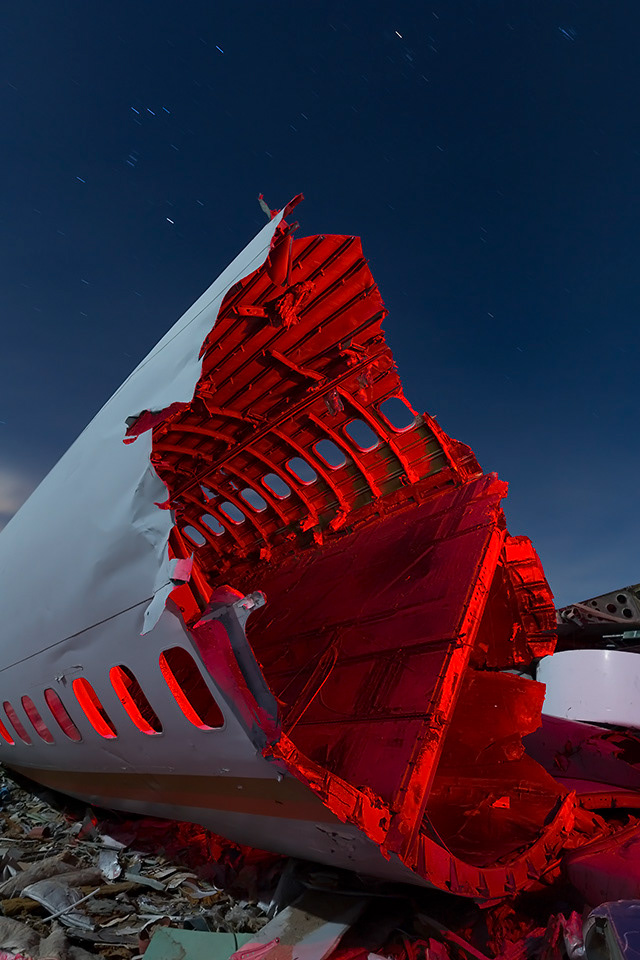
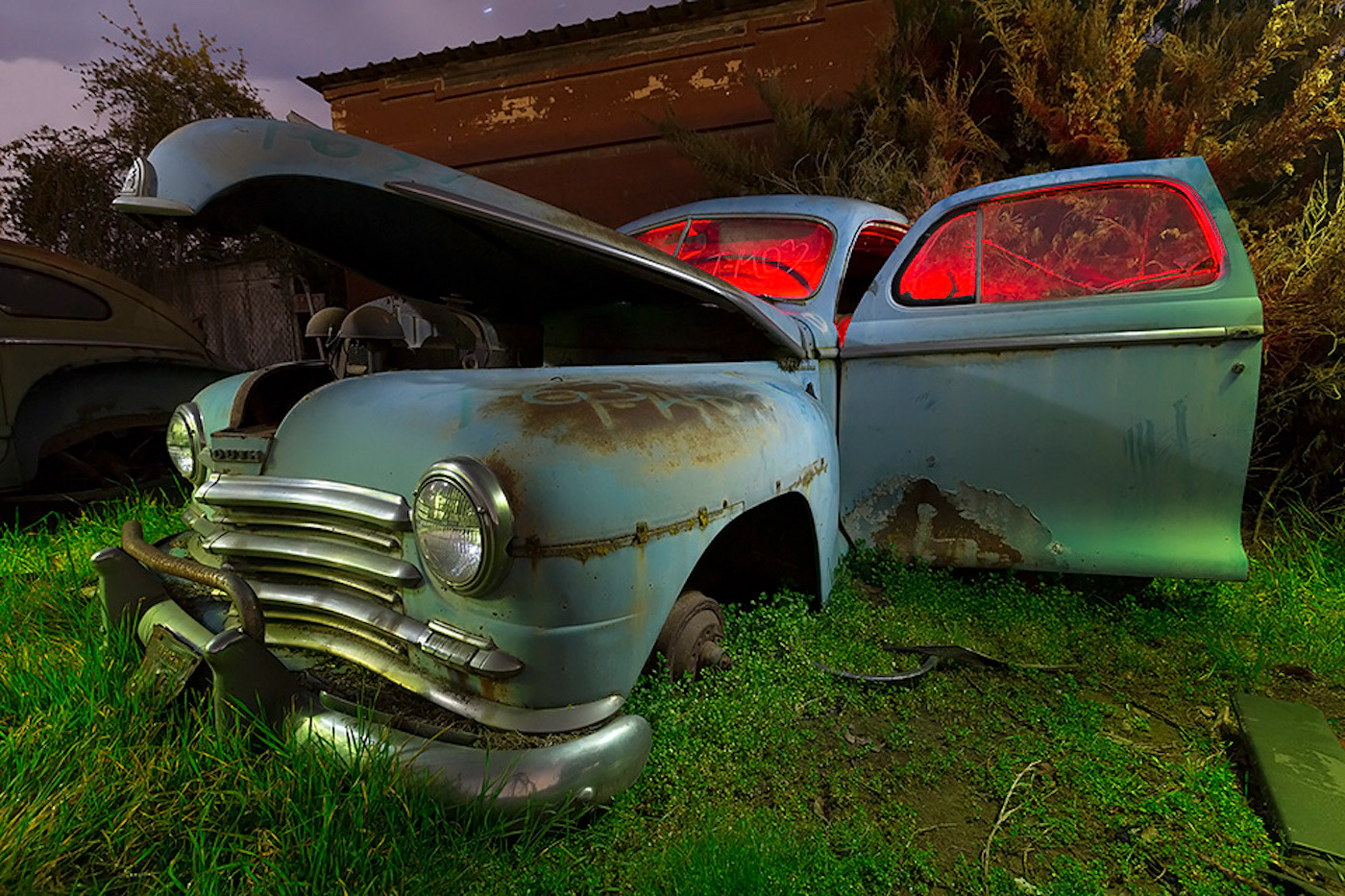
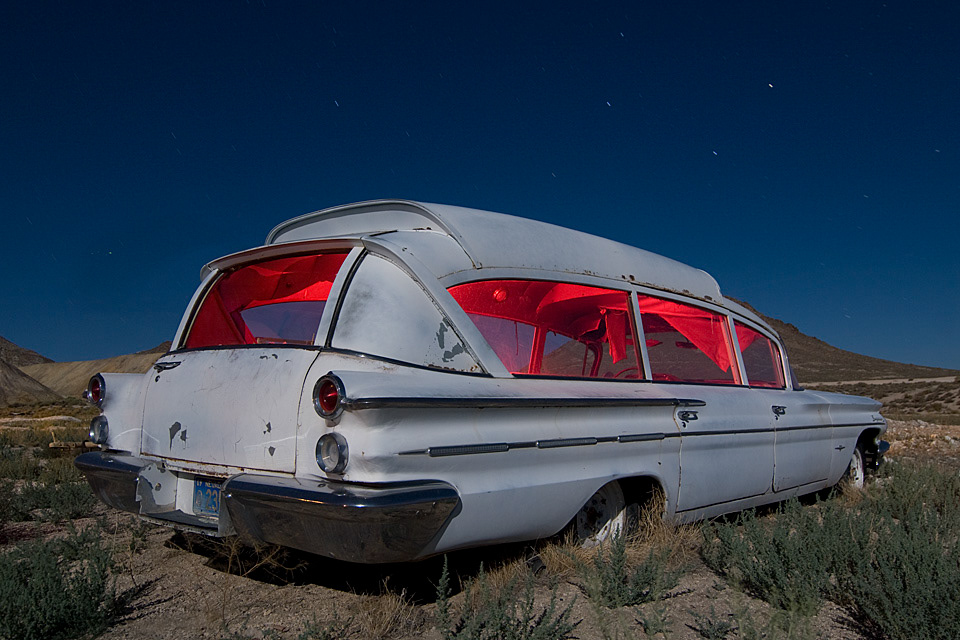
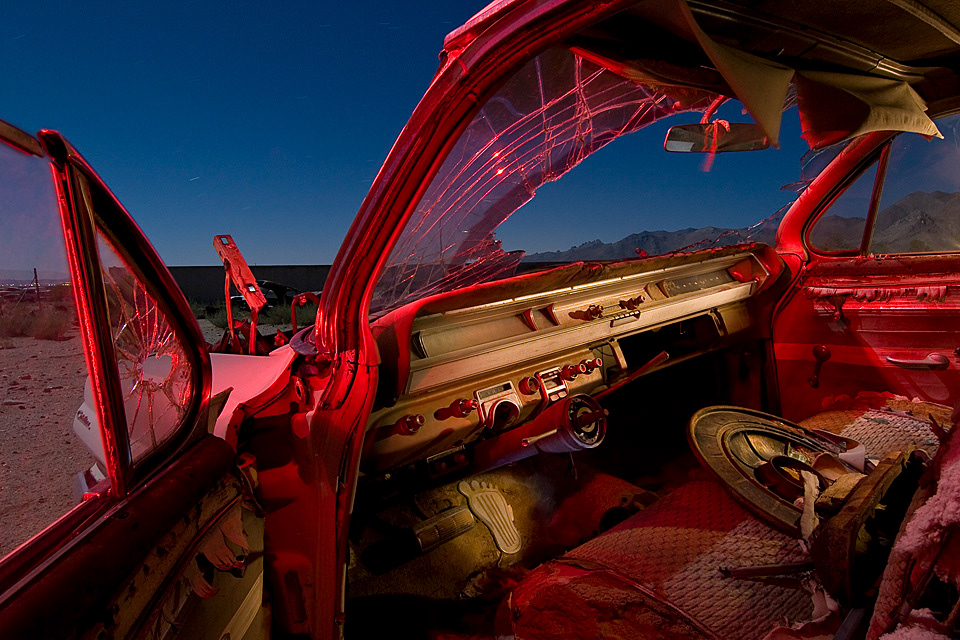
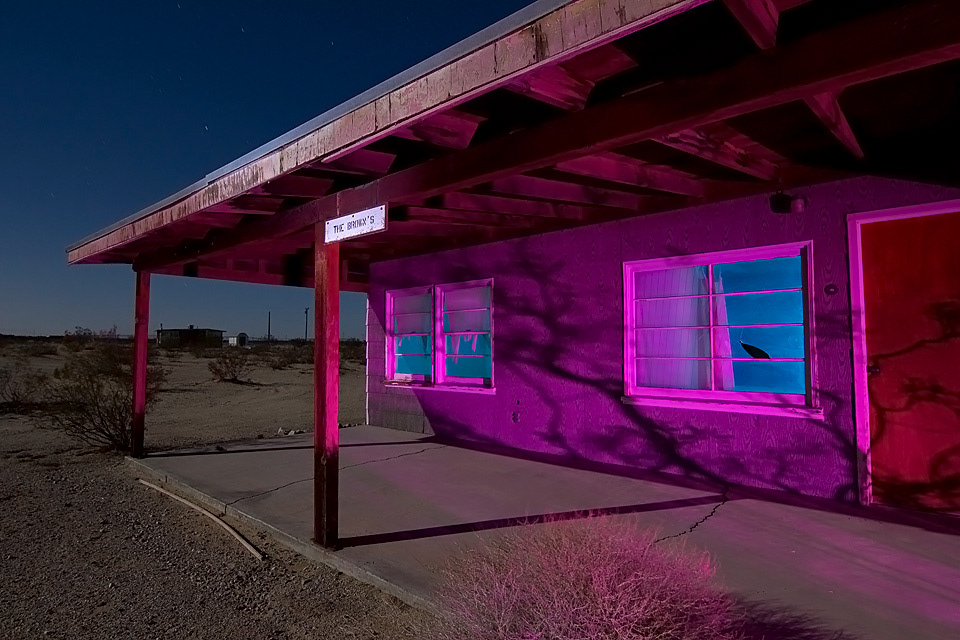
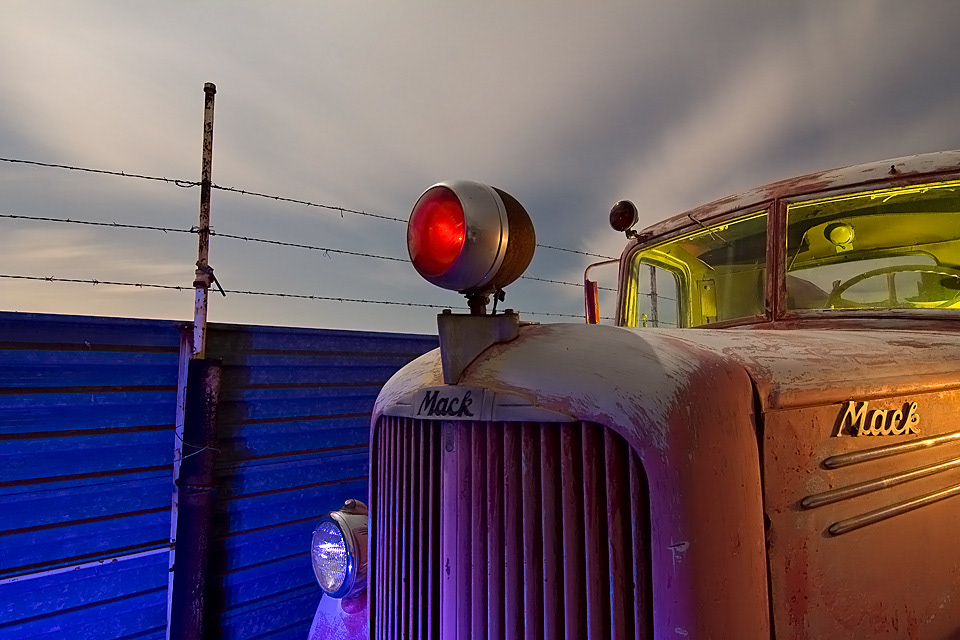
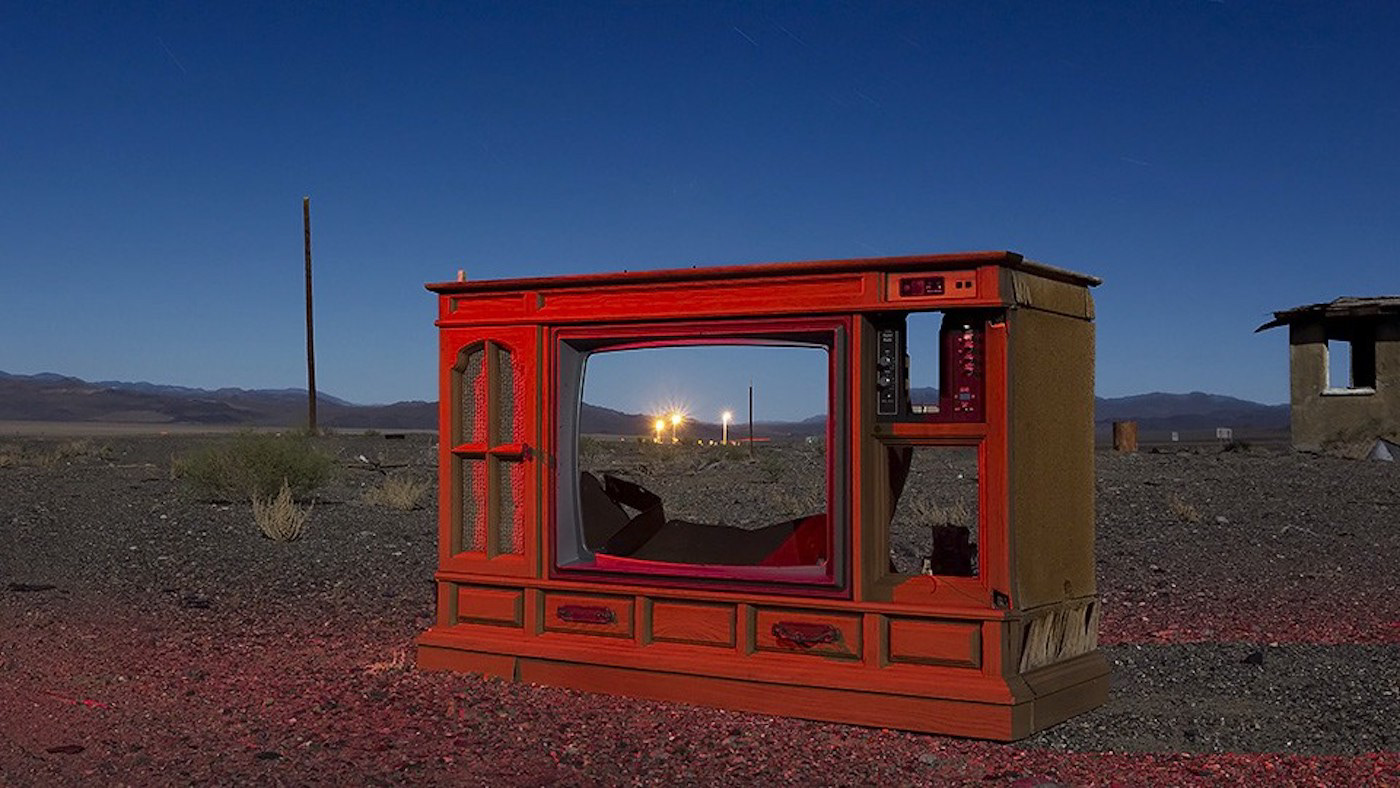
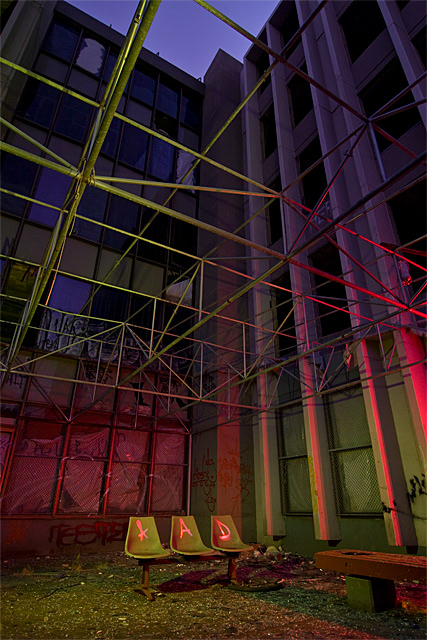
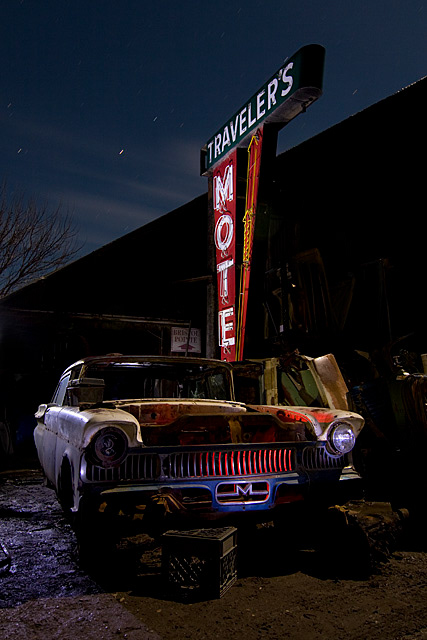
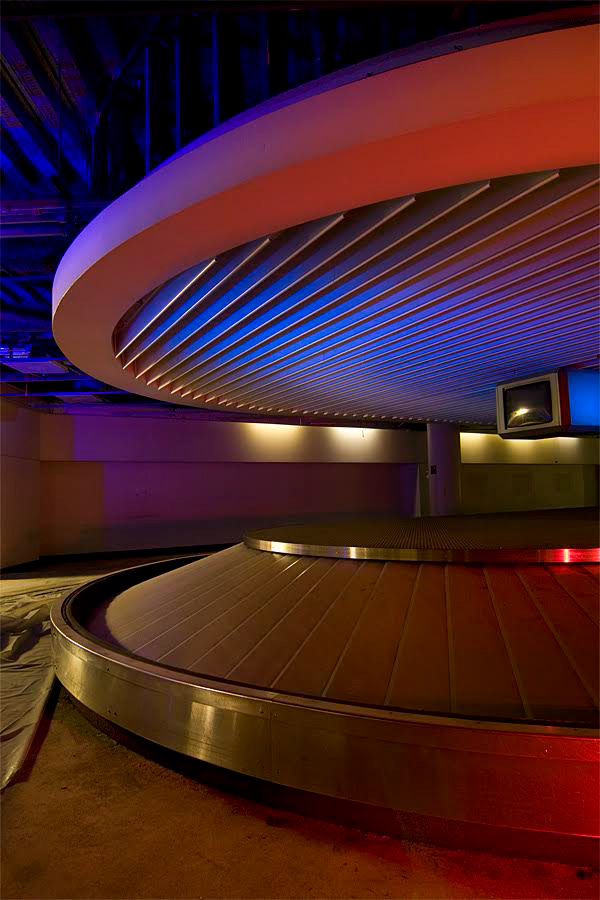
Lost America was a striking solo exhibition that showcased the haunting, definitive night photography of Troy Paiva. Spanning decades of dedicated exploration, the exhibition illuminated the desolate, abandoned underbelly of the American West, transforming bypassed roadside relics into vibrant, cinematic monuments.
The core of the exhibition examined the surreal beauty of post-human decay through Paiva's pioneering use of light painting. Operating entirely under the cover of darkness, the photographer utilized long exposures, full moon illumination, and handheld colored flashlights to breathe a surreal, neon life into ghostly junkyards, abandoned military bases, and forgotten desert towns. Rather than presenting mere documentation of ruins, the curated selection of works functioned as a vivid, psychological exploration of time, waste, and the rapid obsolescence of the American Dream.
Ultimately, the exhibition offered viewers a rare, kaleidoscopic glimpse into a disappearing landscape, capturing the eerie intersection where historical abandonment meets vibrant, artistic reincarnation.
NO VACANCY | EMILY FROMM SOLO SHOW
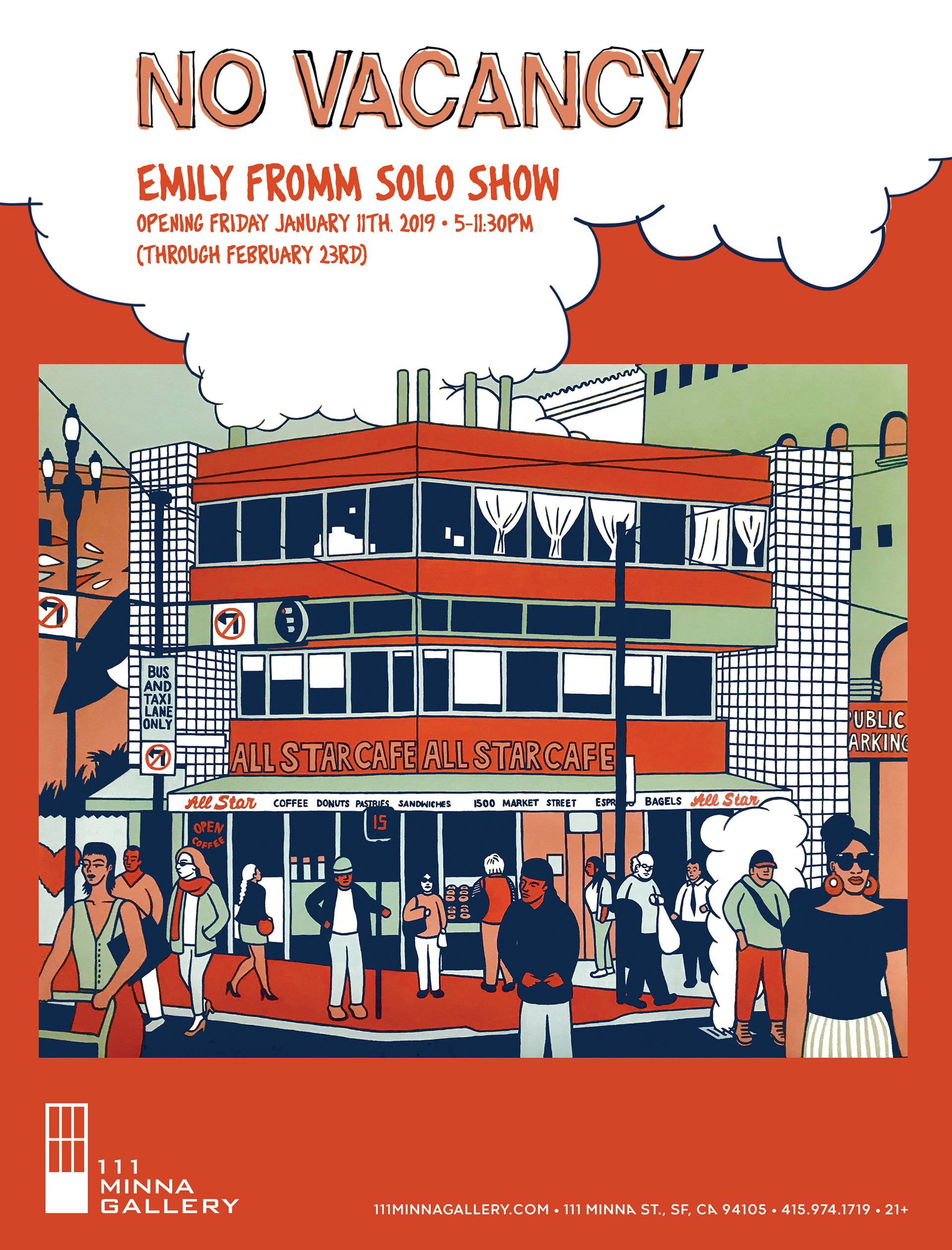
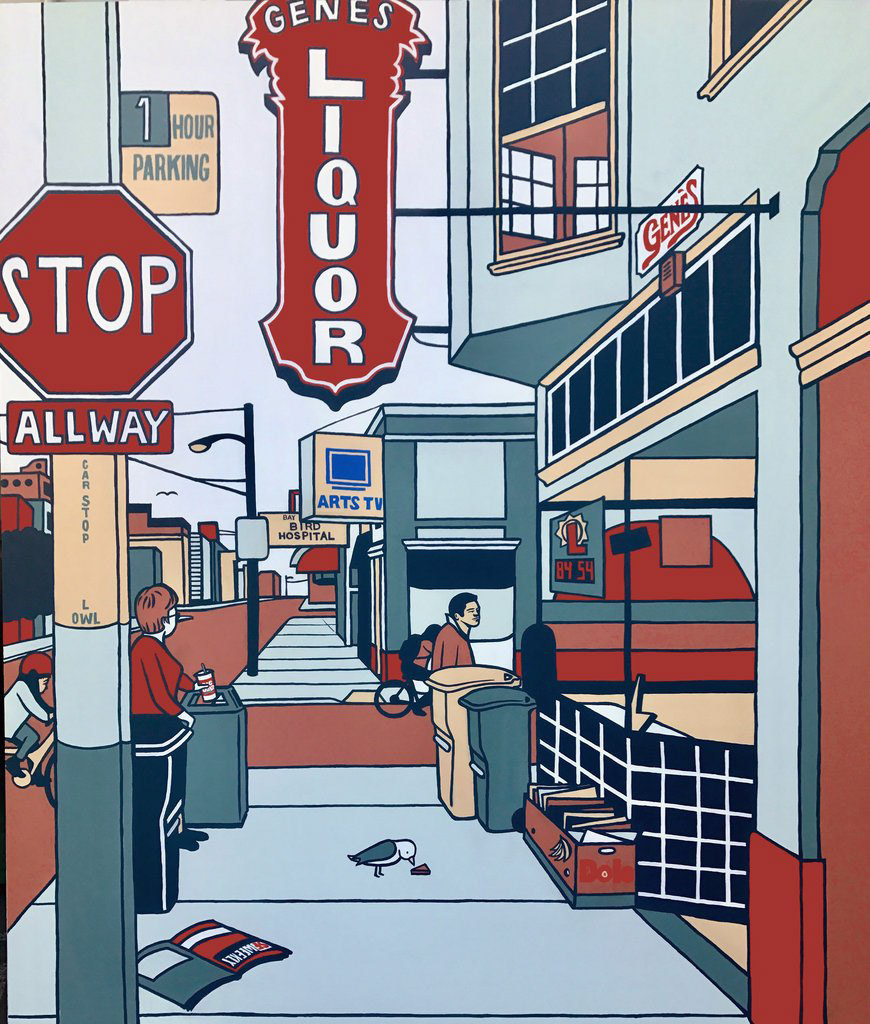
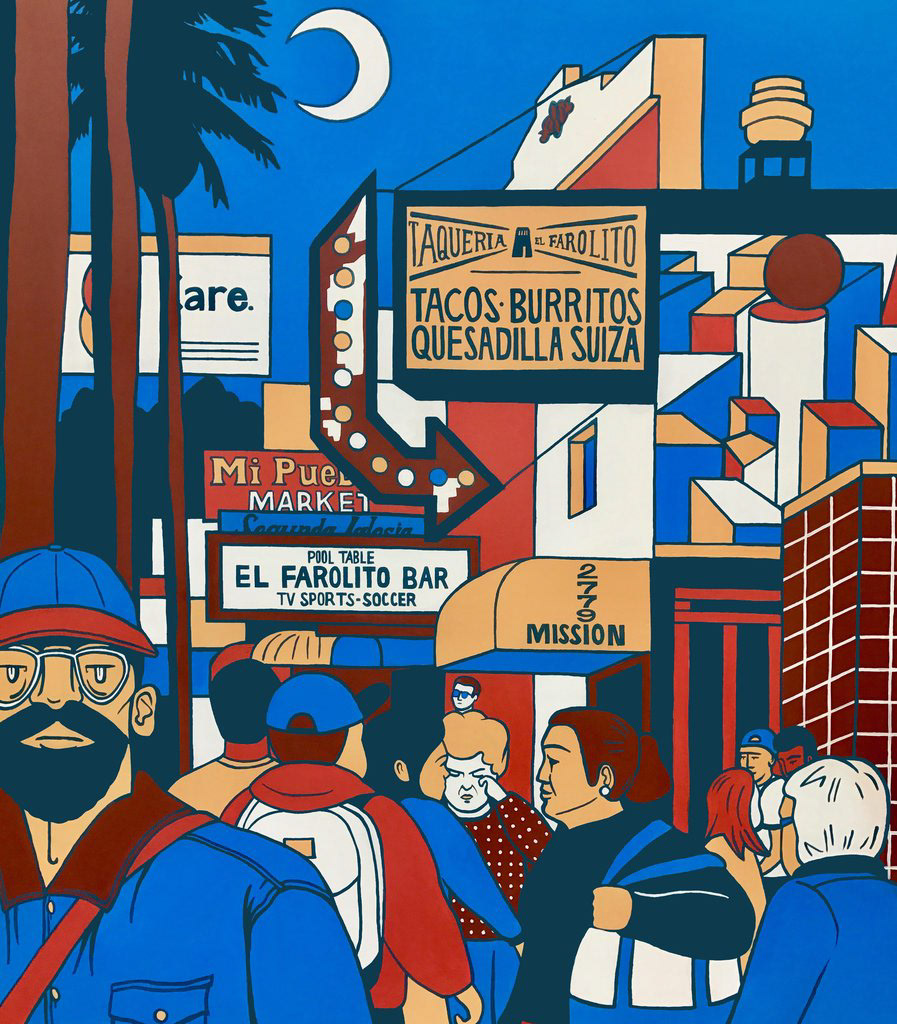
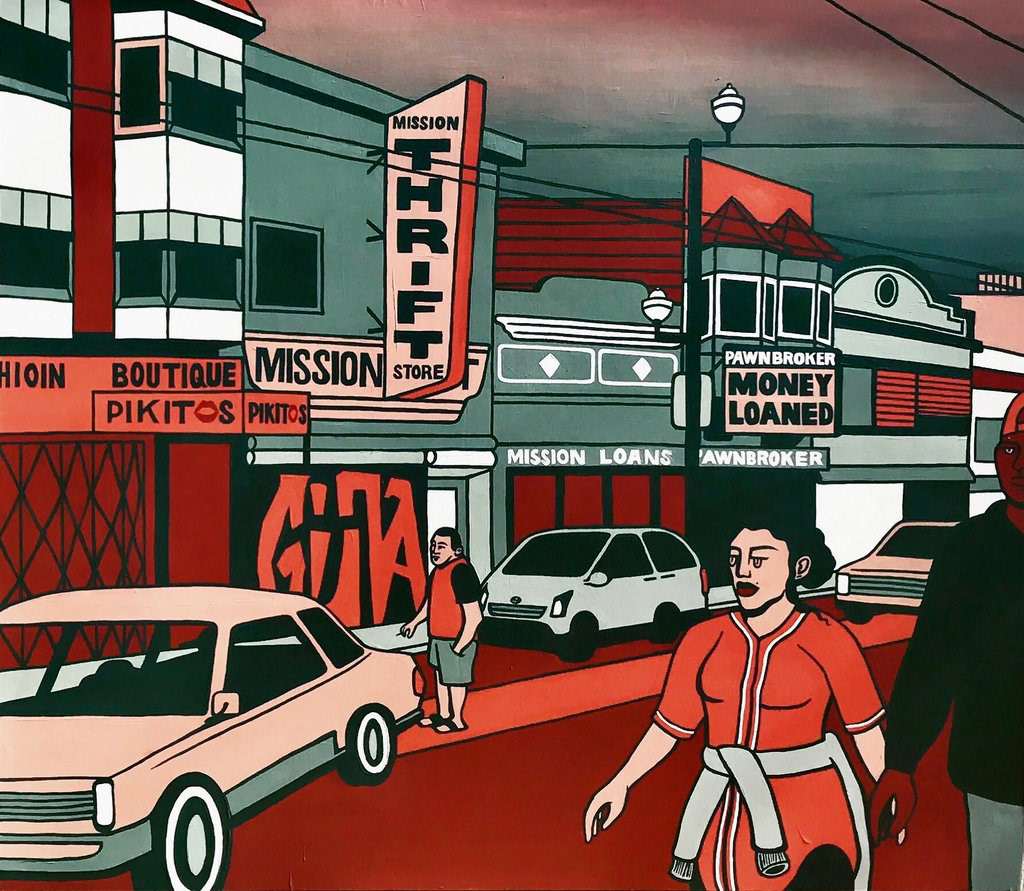
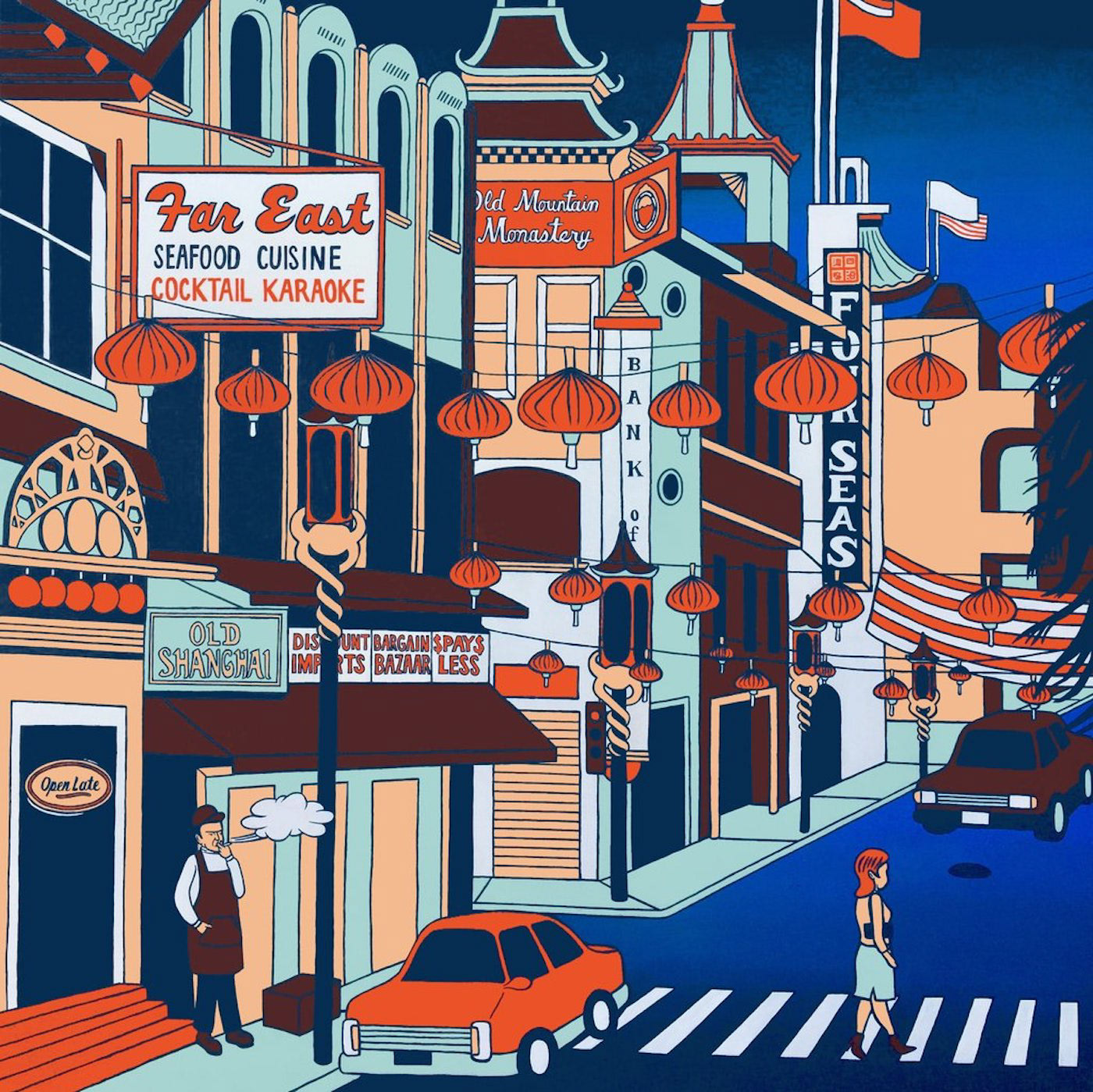
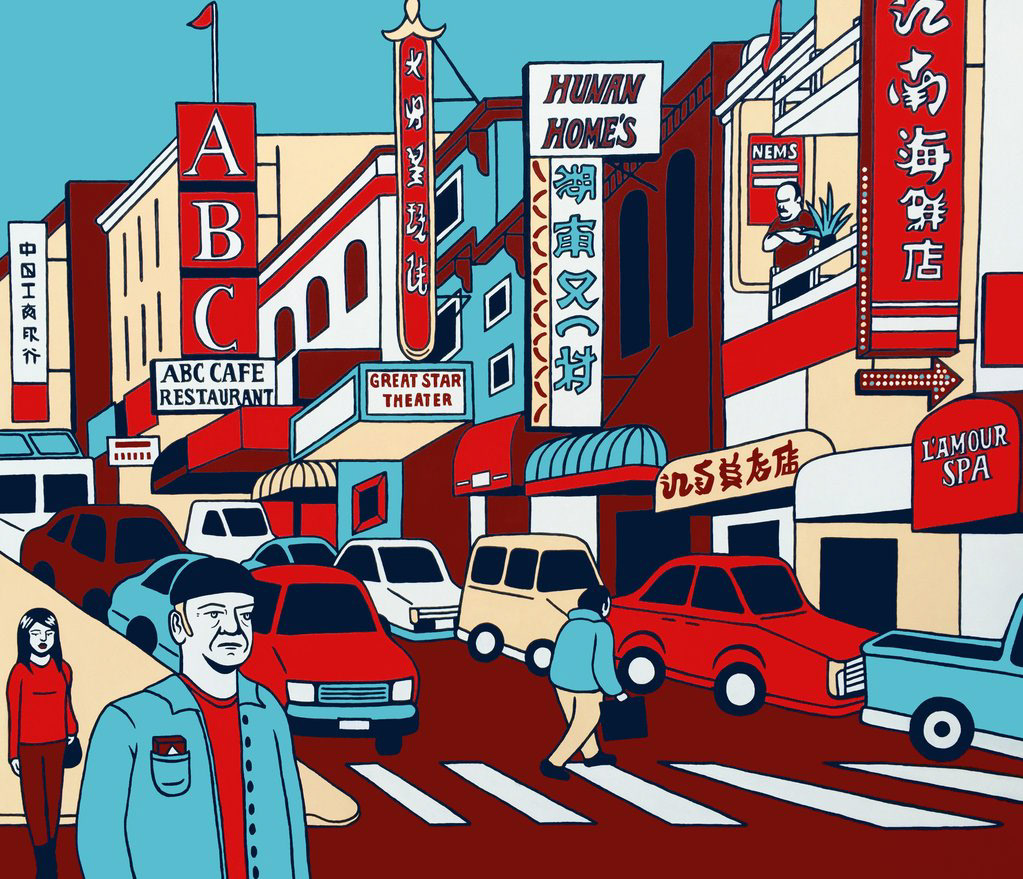
No Vacancy was a sweeping, high-profile solo exhibition featuring over 50 works by California painter Emily Fromm. The show narrowed a lens on the contemporary urban landscape, spotlighting the nostalgic, over-the-top, and sometimes seedy aesthetic of the American West through Fromm's signature graphic, comic-book style. Comprising 15 large-scale cityscape panels, original wood pieces, and public art prototypes, the exhibition captured the complex interaction between a city's ever-changing physical construction and its residents.
The exhibition received widespread acclaim from prominent art and culture publications, woven directly into the critical dialogue surrounding the show. Juxtapoz Magazine praised the collection for its immersive perspective, celebrating how Fromm masterfully painted "sonder" and translated the raw ethos of the city streets into unmistakable visual landmarks. Meanwhile, Artillery Magazine highlighted Fromm's technical execution, noting how her use of thick, dark hand-painted lines and graphic precision paired with a muted, vintage color palette created a striking sense of urban Americana. Additionally, major previews from Hi-Fructose and Hypebeast underscored the show's cultural relevance, pointing to its unique capability to recontextualize forgotten storefronts, billboards, and local subcultures into vibrant fine art.
A major highlight of the exhibition was the exclusive debut of five large-scale original paintings commissioned by the San Francisco Arts Commission. These works served as the official blueprints for massive public ceramic tile mosaics permanently installed inside the San Francisco International Airport (SFO). By archiving these transient urban scenes, the exhibition beautifully bridged the gap between fine art gallery space and permanent civic legacy.